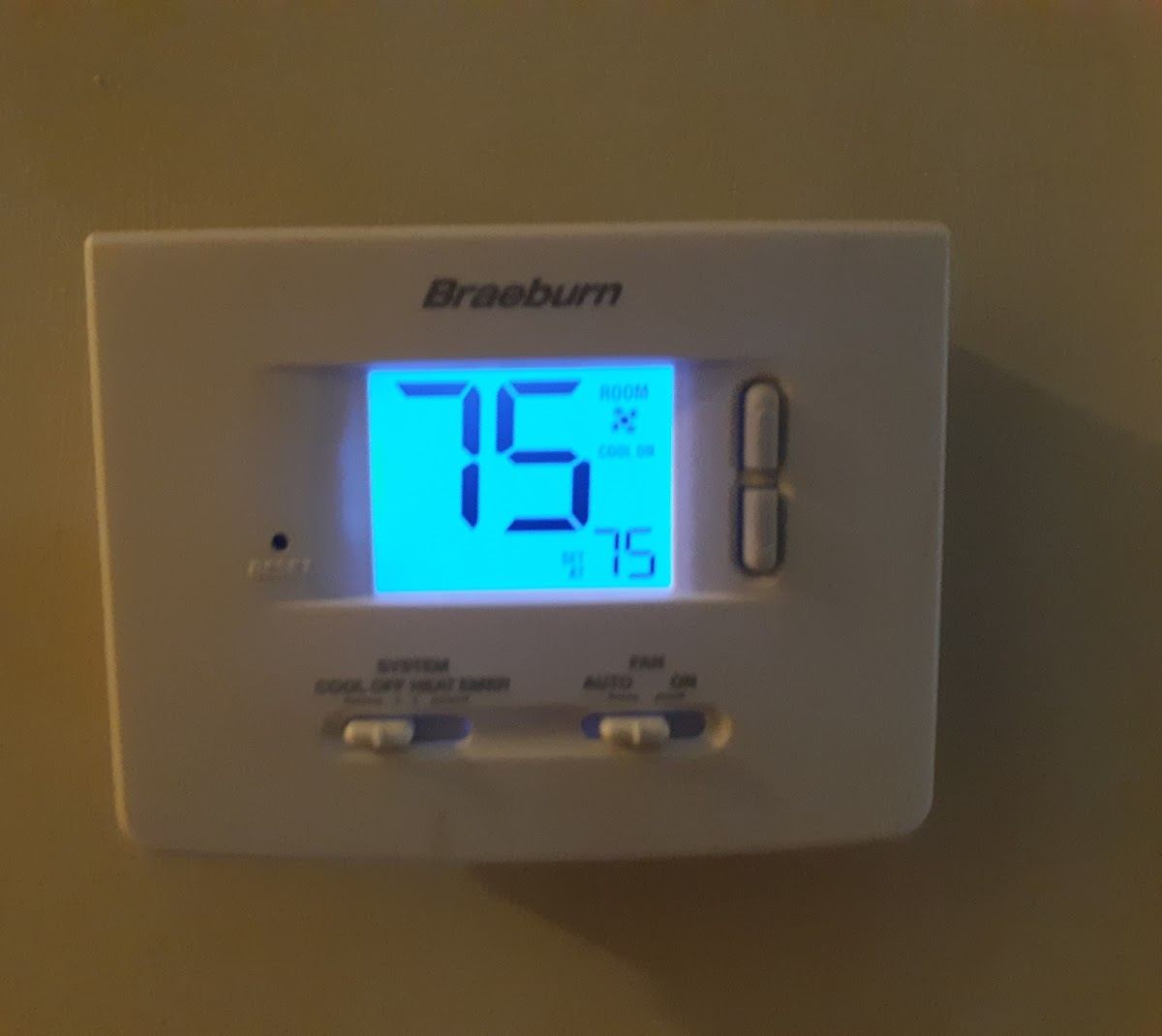
Heat pumps run year-round, so small problems add up fast. Watch for these warning signs.
Your Heat Pump Works Twice as Hard Here
A heat pump never really gets a day off in Phenix City. It cools your home through our long, sticky summers and warms it through the mild winters. That year-round duty cycle is exactly why small problems sneak up on homeowners. A worn part that might limp along for years in a four-season climate runs hard here for ten or eleven months out of twelve.
The Chattahoochee Valley humidity makes it worse. River-fed moisture rides into neighborhoods like Riverchase, Ladonia, and Idle Hour, where it corrodes outdoor coils, feeds algae growth in condensate drain lines, and forces the compressor to work overtime pulling moisture out of your air. A heat pump that sounds fine in April can be quietly struggling by the first 95-degree week in July.
The good news: heat pumps almost always warn you before they fail outright. Learn the signs below, and you can catch a cheap repair before it becomes an expensive replacement.
It Runs Constantly but the House Won't Hold Temperature
Short cycling and constant running are two of the most common red flags, and they point in opposite directions. If your system clicks on and off every few minutes, something is tripping it early, often a refrigerant problem, a dirty coil, or a failing control board. If it runs and runs but never satisfies the thermostat, the system is losing the battle against the heat load.
On a brutal Alabama afternoon, some long run times are normal. The problem is when the house simply will not get to your set temperature, or when you find yourself nudging the thermostat down two or three degrees just to feel comfortable. That usually means low refrigerant from a leak, an undersized or aging compressor, or airflow being choked off somewhere.
Constant operation also shows up on your power bill before it shows up anywhere else. A sudden jump in your summer electric cost, with no change in how you use the home, is often the first measurable sign your heat pump is straining.
Strange Noises and Smells You Shouldn't Ignore
Heat pumps make a steady, familiar hum. New sounds are the system trying to tell you something. A little practice listening pays off, because each noise points to a different problem.
Pay attention to these in particular:
- Grinding or screeching: often a worn blower or fan motor bearing that will seize if ignored.
- Buzzing or humming with no startup: a failing capacitor or contactor, common after our summer power flickers and storms.
- Clicking that won't stop: a relay or control issue rather than the normal click at startup and shutdown.
- Rattling outside: loose hardware, debris in the unit, or a fan blade out of balance.
- Musty or sour smells from the vents: almost always microbial growth in the coil or drain pan, supercharged by our humidity.
- A burning or electrical odor: shut the system off at the thermostat and call a pro before running it again.
Weak Airflow, Warm Air, and the Humidity Tell
Hold your hand to a vent. The air should come out with real force and a clear temperature difference from the room. Weak airflow points to a clogged filter, a dirty blower wheel, or a duct problem. Air that just isn't cold enough in summer usually means a refrigerant or coil issue.
Here in the Chattahoochee Valley, watch the humidity too. A healthy heat pump pulls moisture out of your home as it cools. If the house feels clammy, sticky, or muggy even while the unit is running, that's a warning sign on its own. It often means the system can no longer keep up with our moisture load, which strains the compressor and invites mold and that musty smell. Frequent regular maintenance keeps the coil clean and the drain line clear so the system can do its dehumidifying job.
Ice, Water, and the Phenix City Drain-Line Problem
Seeing ice on your heat pump in the dead of summer feels backwards, but it happens. A frozen indoor coil or a frosted-over outdoor unit in cooling season usually traces back to low refrigerant or restricted airflow. Running the system while it's iced up can damage the compressor, so turn it off, let it thaw, and get it looked at.
Water where it shouldn't be is just as telling. Heat pumps produce a lot of condensate when they're working hard in humid weather, and all of it drains through one narrow line. Our river-valley humidity makes those lines a perfect home for algae and slime, and a clogged drain line is one of the most common service calls we run in Phenix City. When it backs up, you get water around the indoor unit, a tripped safety switch, or staining on a ceiling below an attic air handler.
A simple habit helps between visits: glance at the area around your indoor unit once a month in summer, and keep the outdoor unit clear of grass clippings, leaves, and pollen. If you find standing water or a clogged drain you can't clear, don't let it sit. Call us at +1 (327) 210-5999 and we'll get it flowing again before it damages drywall or insulation.
Auxiliary Heat Stuck On and Other Electrical Clues
In our mild winters, your heat pump should handle most cold snaps on its own. If you notice the emergency or auxiliary heat light running constantly, or your winter power bill spikes hard, the heat pump may not be heating properly and the backup electric strips are picking up the slack. That's expensive and worth a diagnosis.
Other electrical warning signs include a breaker that trips repeatedly, a thermostat that loses its display or won't communicate with the unit, and outdoor fan blades that hesitate or won't start. These often come back to capacitors, contactors, or wiring that has corroded in our humid air. They're usually affordable fixes when caught early and much costlier when they take the compressor down with them.
Repair, Maintain, or Replace: An Honest Way to Decide
Not every warning sign means a new system. Most of what we've covered, capacitors, contactors, drain clogs, refrigerant leaks caught early, dirty coils, is a straightforward repair. The honest rule of thumb: weigh the repair cost against the age and condition of the unit. A repair on a healthy eight-year-old heat pump is almost always money well spent.
When a system is past the twelve-to-fifteen-year mark, has a failing compressor, or is leaking refrigerant in multiple spots, repeated repairs start to add up faster than they're worth. At that point a planned replacement usually beats pouring money into a unit that's nickel-and-diming you every summer. We'll give you the real numbers either way, no commission-driven upselling, so you can decide with eyes open.
If something on this list sounds like your system, the cheapest path is almost always the early one. Call +1 (327) 210-5999 or schedule a visit, and we'll run an honest diagnosis, tell you exactly what's going on, and lay out your options. We've kept families in Phenix City, Smiths Station, and across the river in Columbus comfortable since 1997, and we stand behind every repair we make.
Frequently Asked Questions
If the system is running but you notice rising bills, weak airflow, a musty smell, or it's slow to reach temperature, a tune-up often catches the issue early. If you hear grinding, smell something burning, see ice, or find standing water, that's a repair call. When in doubt, a quick diagnosis tells you which one you're dealing with before a small problem grows.
Need a hand from a local technician?
My Affordable Air has helped Phenix City families breathe better since 1997. Call for honest, licensed HVAC help.