A sticky house with the AC running usually points to an oversized system, the fan left ON, or humid air leaking in from a crawlspace or ducts. Here's what fixes it.
Why Is the Humidity So High in My House?
In east Alabama homes, high indoor humidity usually comes from an air conditioner that cools without running long enough to dry the air (often because it's oversized), a thermostat fan left on ON, or humid air leaking in from a crawlspace or leaky ductwork. Everyday moisture from showers and cooking adds to it. The fix depends on the cause, and when the AC alone can't keep up, a whole-home dehumidifier usually can.
Our summers are long and muggy, and spring and fall bring plenty of mild, damp days when the AC barely runs. That's when a lot of homes in the Chattahoochee Valley feel clammy even though the thermostat says everything is fine.
What Indoor Humidity Should You Aim For?
The EPA advises keeping indoor relative humidity below 60 percent, and ideally between 30 and 50 percent, to limit mold and dust mites. ASHRAE's comfort guidance allows a somewhat wider range. In practice, most homes here feel comfortable in the mid-40s to low 50s during summer.
An inexpensive digital hygrometer from a hardware store tells you where you stand. Put it in a main living area, away from the kitchen and bathrooms, and check it at different times of day. Other signs your humidity is too high:
- The house feels cool but clammy, or sticky at a temperature that should feel comfortable
- Condensation on windows, supply vents or cold-water pipes
- A musty smell, especially in closets or after the house has been closed up
- Mold spots on vents, ceilings or bathroom walls
- Wood floors cupping, or doors and drawers that stick in summer
How Your AC Removes Humidity, and Why It Sometimes Doesn't
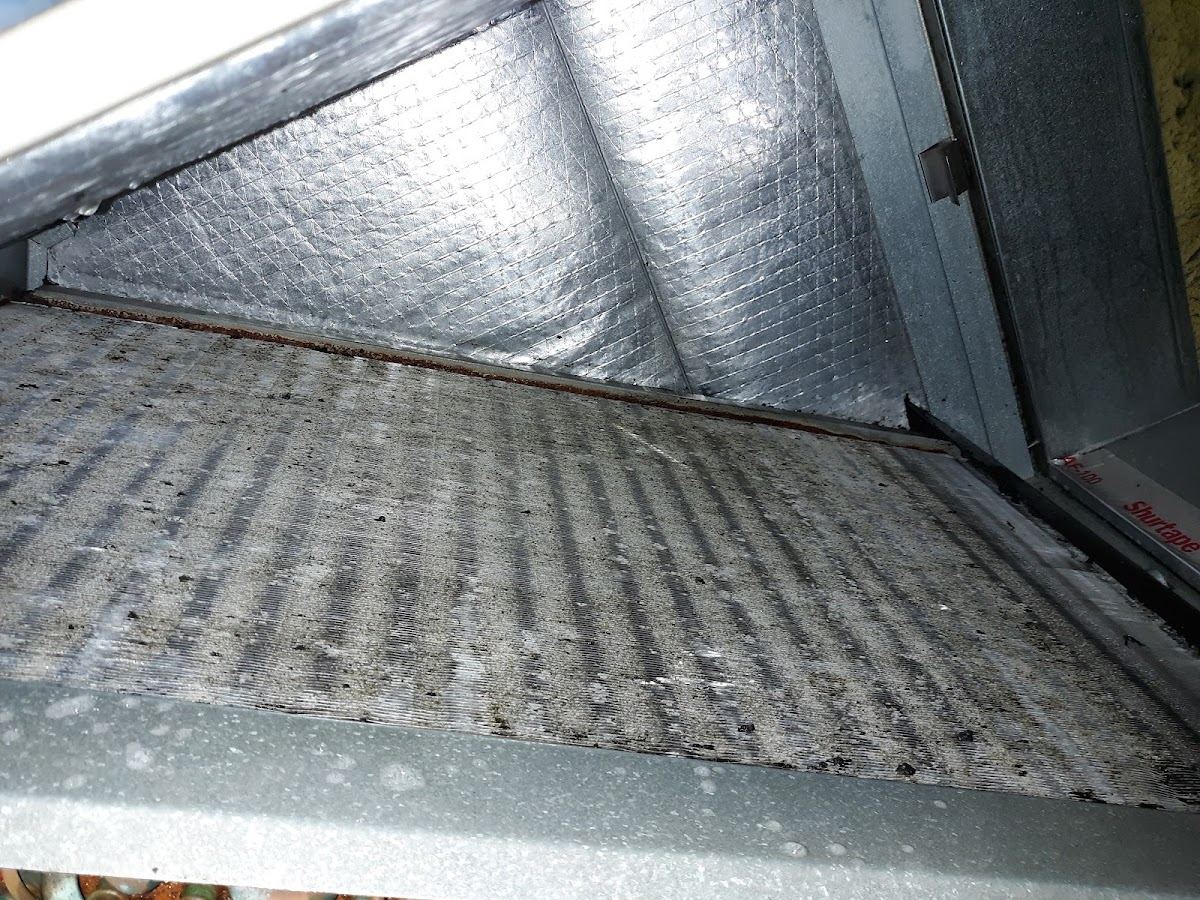
Your air conditioner dries the air as a side effect of cooling it. Air passes over the cold indoor coil, moisture condenses on the fins, and it drains away. But that takes time. For the first few minutes of a cycle the coil is still getting cold, and very little water drips off. Longer, steady runs remove the most moisture.
Anything that cuts those runs short, or puts water back into the air, leaves the house damp. A dirty coil, a blower set too fast, or low refrigerant can also hurt moisture removal, which is one more reason regular AC maintenance matters in a climate like ours.
Oversized AC and Short-Cycling
Bigger isn't better. An oversized air conditioner drops the temperature fast, satisfies the thermostat in a few minutes and shuts off before it has pulled much moisture out. The result is a house that's cold and clammy at the same time, with a system that starts and stops all day.
Proper sizing comes from a Manual J load calculation, not the size of the old unit or a rule of thumb. If you're replacing a system, insist on one. Our guide on what size AC unit your home needs explains how it works. Two-stage and variable-speed systems help, too, because they can run longer at low speed and dry the air as they go.
Fan ON vs AUTO: A Setting That Matters
With the fan set to ON, the blower runs nonstop, even when the compressor shuts off. The coil is still wet at that point, and the moving air picks that water back up and blows it right back into the house. In a humid climate that can undo much of the drying your AC just did.
Set the fan to AUTO so it runs only when the system is cooling, and the coil has a chance to drain between cycles. Some thermostats also have a dehumidify setting that slows the blower for better moisture removal. Our guide to thermostat settings for Alabama summers covers the rest.
Crawlspaces and Leaky Ducts Pull in Muggy Air
A lot of older homes around Phenix City and Columbus sit over vented crawlspaces. In summer, humid outdoor air flows in, the damp ground adds more moisture, and that air works its way up through gaps in the floor. Bare dirt, standing water, or a torn or missing vapor barrier make it worse. A crawlspace or foundation contractor handles drainage, vapor barriers and encapsulation.
Ducts are the other big leak. Return ducts running through a crawlspace or attic pull in whatever air surrounds them if they're loose or torn. In summer that's hot, wet air, and your system has to cool and dry it all over again. Supply leaks pull outside air in through cracks around the house. Sealing those leaks with ductwork repair often makes a noticeable difference in how the house feels.
Everyday Moisture You Can Control
These are the easy wins, and you can handle all of them yourself.
- Run the bathroom exhaust fan during showers and for 15 to 20 minutes afterward. Make sure it vents outside, not into the attic.
- Use a range hood that vents outdoors when you cook, especially when boiling or simmering.
- Check that the dryer vent is connected and exhausting outside.
- Fix plumbing drips and keep gutters and downspouts carrying water away from the foundation.
- Unvented gas logs, lots of houseplants and large aquariums all add moisture indoors.
- Keep windows closed on muggy days, even if it's cool outside.
When a Whole-Home Dehumidifier Makes Sense
A whole-home dehumidifier ties into your ductwork, has its own humidity control, and drains into the condensate line, so there's no bucket to empty. It runs when humidity is high, whether or not the AC is cooling. That matters most on mild, rainy spring and fall days, when the house needs drying but not much cooling.
It's a good fit for homes with crawlspace moisture, tighter newer homes, high-efficiency systems that remove less moisture, and anyone fighting a musty smell or mold. Portable units can help one room, but they're noisy, need emptying, and add heat to the space. A dehumidifier is one part of the indoor air quality picture we look at, along with ventilation and filtration.
Get Help Bringing the Humidity Down
Call if your hygrometer stays above 60 percent with the AC running, the system short-cycles, you're seeing mold or condensation, or the house smells musty. We'll check the system's sizing, airflow, charge and ductwork, and tell you plainly if you need a repair, a setting change or a dehumidifier.
Call My Affordable Air at +1 (327) 210-5999. We've served Phenix City, Smiths Station, Columbus and the surrounding area since 1997, with upfront pricing and financing available on larger projects.
Frequently Asked Questions
The EPA advises keeping indoor humidity below 60 percent, and ideally between 30 and 50 percent. In our summers, holding the house in the mid-40s to low 50s is realistic for most homes and keeps mold and dust mites in check.
Related Guides
Need a hand from a local technician?
My Affordable Air has helped Phenix City families breathe better since 1997. Call for honest, licensed HVAC help.