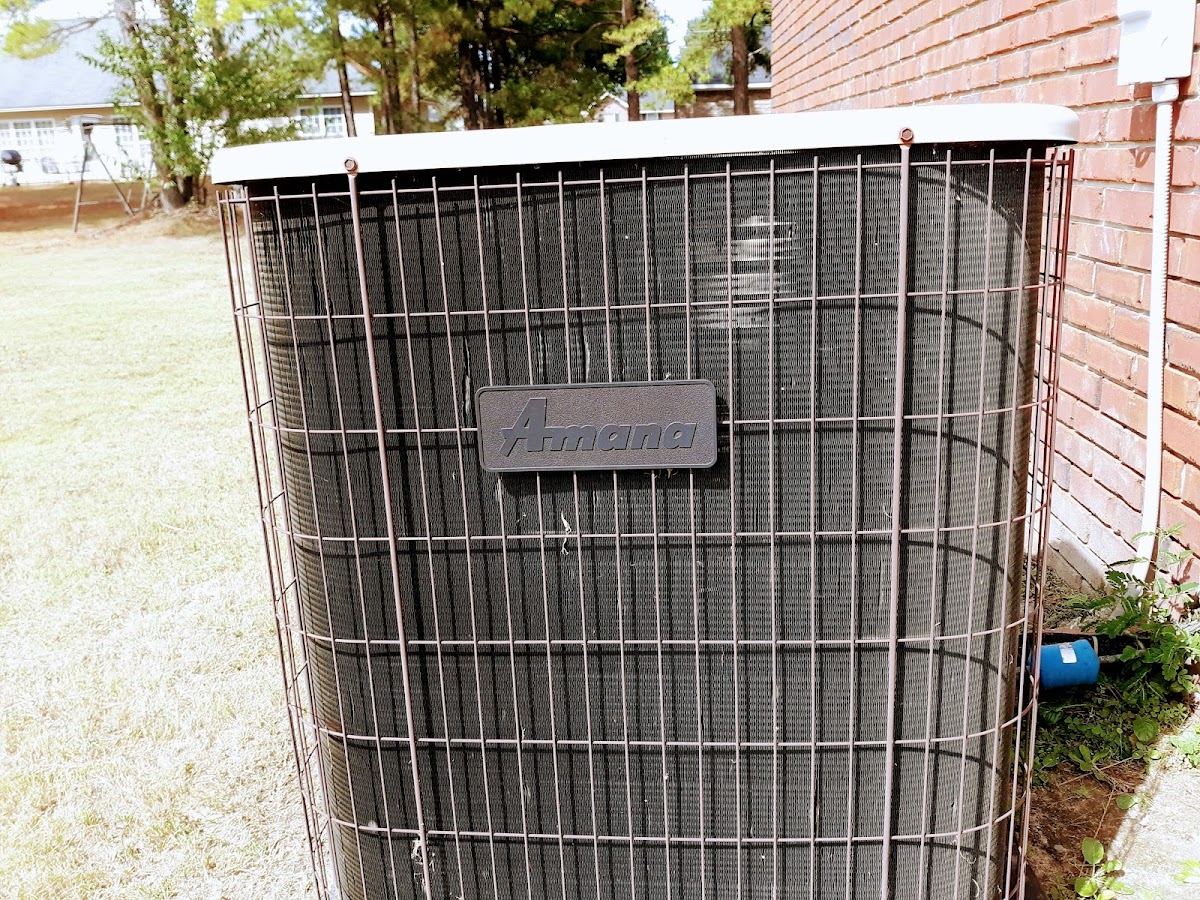
Most AC systems last 12–15 years here. Learn the signs yours is nearing the end — and what to do.
The Question Every Phenix City Homeowner Eventually Asks
It usually starts on the first truly brutal week of summer. The system runs all day, the house never quite gets comfortable, and the power bill lands like a punch. You stand there in the hallway listening to the unit cycle and you think it: how old is this thing, and how much longer do I have?
Here in the Chattahoochee Valley, that question comes sooner than it does for folks up north. Our long, humid summers run air conditioners hard from April well into October. A system that might coast for two decades in a dry climate gets worn down faster here. Most AC systems in our area give good service for about 12 to 15 years. After that, you're living on borrowed time.
The good news is that age alone doesn't mean you have to replace anything tomorrow. The trick is reading the signs honestly, so you're making the call on your terms instead of in a panic on the hottest Saturday of the year.
Why AC Systems Age Faster in the Chattahoochee Valley
Equipment lifespan estimates from manufacturers assume average conditions. We don't have average conditions. We have the Phenix City Humidity Factor, and it's hard on machinery in ways generic advice tends to miss.
The moisture coming off the river creates a microclimate that quietly chews up an air conditioner over the years. Here's what we see in homes from Riverchase to Ladonia to Lakewood:
- Coil corrosion: Constant humidity accelerates rust and pitting on the outdoor condenser coil and the indoor evaporator, slowly choking the system's ability to move heat.
- Algae and condensate clogs: Our damp air breeds algae in the condensate drain line. A clogged drain backs up water, trips safety switches, and over years invites mold and component damage.
- Compressor strain: Long runtimes in heavy humidity keep the compressor — the most expensive part in the whole system — working overtime, which shortens its life.
- Refrigerant leaks: Older systems develop slow leaks at corroded joints, and a low charge makes everything else run hotter and harder.
The Real Warning Signs Your AC Is Near the End
Age is just a number. What matters is how the system is actually behaving. Watch for these signals, and pay extra attention if your unit is already past the 12-year mark.
Any one of these on its own may just call for a repair. But when several show up together on an older system, that's the conversation about replacement starting to make itself.
- Rising power bills with no change in habits — a tired system burns more electricity to do the same job.
- Rooms that never get comfortable, or a house that feels muggy even when the air is running.
- Frequent repairs, especially two or more service calls in a single season.
- It still uses R-22 (old Freon) refrigerant — production of R-22 ended, so charging a leak now is expensive and getting worse every year.
- Loud new noises: grinding, banging, or rattling from the outdoor unit.
- The system runs almost constantly during the day and still can't keep up on a 95-degree afternoon.
Repair or Replace? The Honest Math
This is where a lot of homeowners get talked into the wrong decision. We don't work on commission here, so the guidance you get from us is built around your wallet, not ours.
A simple rule of thumb works well: multiply the age of the system by the cost of the repair you're facing. If that number climbs past roughly 5,000, replacement usually makes more financial sense. A 14-year-old unit needing a 700-dollar repair (14 x 700 = 9,800) is telling you something. A 6-year-old unit needing the same repair (6 x 700 = 4,200) is almost always worth fixing.
There's also the efficiency angle. A system from 2010 might run at a SEER rating in the low teens. A new one can cut your cooling costs meaningfully over a long Alabama summer. When a major component like the compressor fails on an older unit, you're often paying a large repair bill on equipment that's going to need replacing soon anyway. That's the moment to weigh a straightforward ac-repair against a planned ac-replacement instead of a repair that buys you one more rough season.
How to Stretch the Years You Have Left
If your system is aging but still running well, you can often add good years to its life with a little discipline. None of this is glamorous, but it's what actually moves the needle in our climate.
Most of these you can do yourself. The deeper checks are where a pro earns their keep, especially given how our humidity attacks the parts you can't see.
- Change the air filter every 1 to 2 months during cooling season — a clogged filter starves the system and overworks the blower.
- Keep the outdoor unit clear of grass clippings, leaves, and overgrown shrubs so it can breathe.
- Pour a cup of distilled vinegar down the condensate drain line periodically to fight the algae buildup our river air encourages.
- Get a professional tune-up before summer — refrigerant charge check, coil cleaning, electrical inspection, and EPA-compliant leak detection if anything looks off.
When It's Time, Plan the Replacement on Your Schedule
The worst time to buy an air conditioner is the day yours dies in the middle of July. You're hot, you're rushed, and you're not in a position to compare options calmly. If your system is past 12 years and showing several of the signs above, it's smarter to plan ahead.
A proper ac-installation is about more than swapping a box. The new system has to be sized correctly for your home and our climate — oversized units short-cycle and never pull out humidity, which is exactly what you don't want here. We service and install all major brands, so you're getting the right fit for your house and budget, not whatever one manufacturer pays us to push. For larger projects, financing is available so a needed replacement doesn't have to wait.
If you're not sure where your system stands, the honest move is to have someone look at it before the heat peaks. We've been helping families in Phenix City breathe better since 1997, and owner Scott Copeland stands behind every job. Call us at +1 (327) 210-5999 or schedule a visit, and we'll give you straight numbers on whether to repair, maintain, or replace — no pressure, no commission-driven upsell.
Frequently Asked Questions
Most systems in our area give good service for about 12 to 15 years. Our long, humid summers and the river-driven moisture run units harder than in drier climates, so well-maintained systems land near the top of that range and neglected ones near the bottom.
Need a hand from a local technician?
My Affordable Air has helped Phenix City families breathe better since 1997. Call for honest, licensed HVAC help.