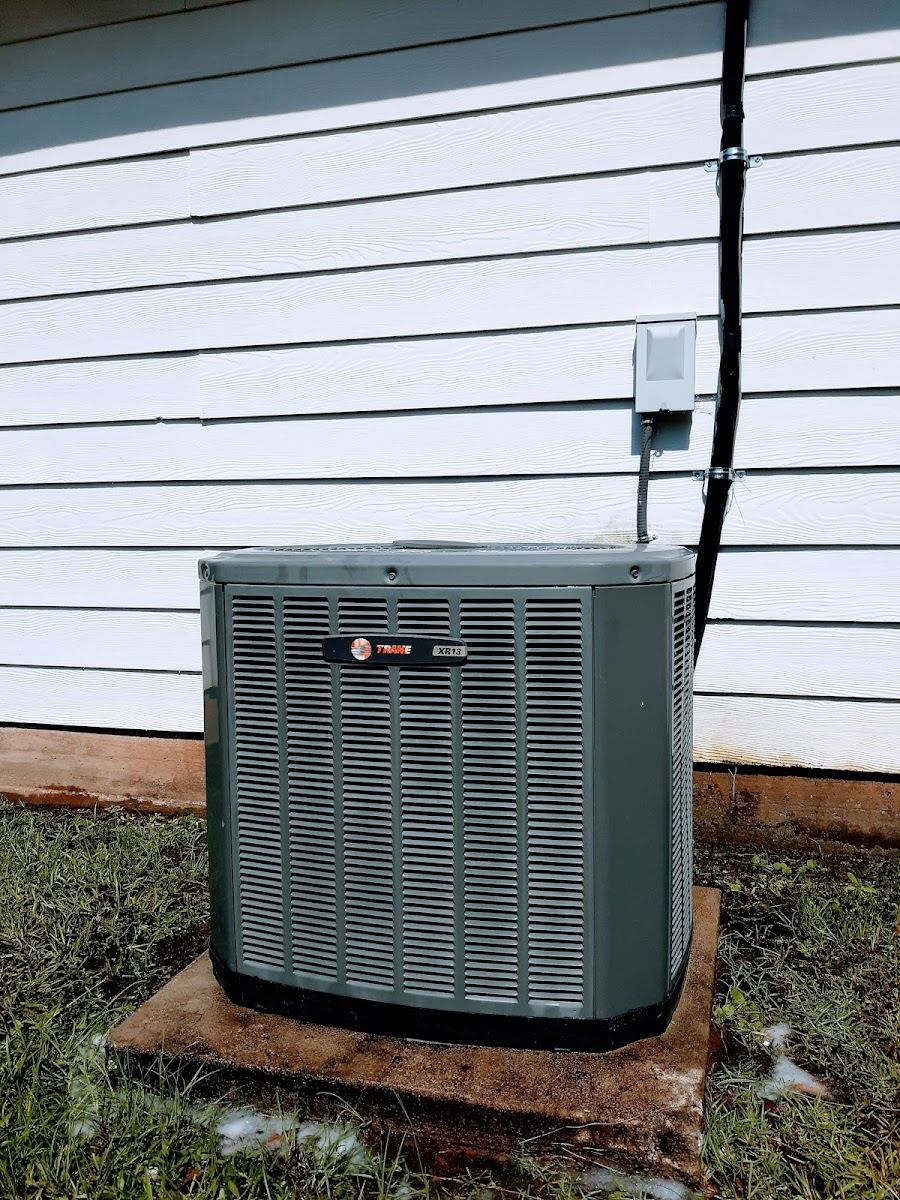
Weak airflow, odd noises, rising bills — the early warning signs that your AC needs attention before it quits.
Your AC Is Talking to You Before It Quits
August in Phenix City does not negotiate. When the heat index climbs past 100 and the humidity sits on you like a wet blanket, your air conditioner is running harder than any other appliance in your home. That is exactly when systems fail, because a struggling AC almost always shows warning signs for days or weeks before it finally dies on the hottest afternoon of the year.
The good news is that an air conditioner rarely breaks down without warning. It drops hints. Weak airflow, a strange smell, a noise that was not there last summer, a power bill that crept up for no clear reason. Catch those early and you are usually looking at a small, affordable repair. Ignore them and that same problem can cascade into a failed compressor or a frozen coil that takes the whole system down.
This guide walks through seven signs worth paying attention to. Learn them, act on them early, and you can often avoid the emergency call when the temperature is at its worst.
1. Weak or Uneven Airflow From the Vents
Put your hand near a supply vent while the system is running. You should feel a steady, strong push of cool air. If the flow feels weak, lazy, or barely there, your system is working hard and getting little done. Sometimes one room stays comfortable while another never cools off at all.
Weak airflow usually traces back to one of a few things: a clogged air filter choking the system, a blower motor losing strength, leaky or crushed ductwork, or a refrigerant problem starving the coil. The simplest cause is the cheapest fix, so always check your filter first. A filter packed with dust restricts everything downstream and makes the whole system labor.
If a fresh filter does not restore the airflow, it is worth having a technician look closer before the underlying issue gets worse. Weak airflow that goes unaddressed forces the blower and compressor to overwork, and that shortens the life of expensive parts.

2. Warm Air When It Should Be Cool
This one gets people's attention fast. The thermostat is set to 72, the system is clearly running, and what comes out of the vents is room temperature or worse. Before you panic, confirm the thermostat is set to cool and not on fan-only, and check that nobody bumped the setting.
If the settings are right and you are still getting warm air, the usual suspects are low refrigerant from a leak, a frozen evaporator coil, or a failing compressor. Low refrigerant is not something you simply top off. By law, the correct fix is EPA-compliant leak detection followed by a proper repair, because a system that is low on refrigerant has a leak somewhere, and adding more without fixing the leak just sends money out the door.
Running an AC that blows warm is hard on the equipment and pointless for your comfort. Shut it off and call a pro before the compressor takes the hit.
3. Strange Noises You Have Not Heard Before
Every system has its normal hum. What you want to listen for is anything new. A noise is the cheapest diagnostic tool you have, because it tells you something is moving when it should not be, or about to break. The sooner a small mechanical problem gets addressed, the less likely it is to spread to neighboring parts. Do not wait for a rattle to turn into a silence.
Here are a few sounds and what they often mean:
- Grinding or screeching that points to a motor bearing going bad.
- Banging or clanking that suggests a loose or broken part inside the compressor or blower.
- Buzzing that can signal an electrical issue or a failing capacitor.
- Hissing or bubbling that may indicate a refrigerant leak.
4. Strange Smells Coming Through the Vents
Odors are a serious tell, and here in the Chattahoochee Valley they show up more than most folks realize. A musty, mildew smell almost always means moisture and biological growth somewhere in the system, usually in the drain pan, on the coil, or inside the ducts. Our river-valley humidity feeds that growth all summer long.
A sharp electrical or burning smell is different and more urgent. That can mean overheating wiring or a motor in trouble. If you smell burning, shut the system off at the thermostat and call for service rather than letting it run.
Musty smells are one of the clearest signs your system needs cleaning and that your condensate drain may be clogging, both of which are routine items handled during ac maintenance. Clean air should smell like nothing at all.
5. Water, Moisture, or Ice Around the Unit
This sign is the Phenix City humidity factor in action. Your AC pulls a remarkable amount of moisture out of the air, and that water is supposed to drain away quietly through the condensate line. In our climate, those drain lines are prime real estate for algae and slime, which clog the line and back the water up.
When the drain clogs, water pools around the indoor unit, drips through ceilings, or trips the safety float switch and shuts the system off entirely. Ice is the flip side of the same coin. If you see frost or ice on the refrigerant lines or coil, the system is likely low on refrigerant or starved for airflow, and running it that way can crack the coil.
A clogged drain is a quick fix when caught early and a ceiling repair when ignored. If you see ice, turn the system off, let it thaw, and call before running it again.
- Standing water or dampness near the indoor air handler or furnace.
- Water stains on the ceiling or wall below an attic unit.
- Visible ice on the copper lines or the outdoor unit.
6. Short Cycling, Constant Running, and Rising Bills
Pay attention to how your system runs, not just whether it runs. Short cycling is when the AC kicks on, runs for a minute or two, shuts off, then starts again a few minutes later. The opposite problem is a system that never seems to shut off and still cannot hit the set temperature. Short cycling can come from an oversized system, a refrigerant issue, a failing thermostat, or electrical trouble, and the constant stopping and starting is brutal on the compressor.
Your power bill tells the same story from another angle. Compare this summer to last summer for the same months. A bill that climbs noticeably while your usage habits and the weather have stayed about the same is a classic sign of a system losing efficiency. Dirty coils, low refrigerant, a tired compressor, leaky ducts, and clogged filters all quietly drive up consumption long before they cause an outright failure. The system still cools, so nothing seems wrong, but the meter keeps spinning faster.
This is where honest math matters. Sometimes the fix is a simple, affordable repair and a tune-up. Other times, an aging system is costing more in monthly bills and repairs than a new one would, and that is when an honest repair-vs-replace conversation about ac replacement is worth having. We will give you the real numbers either way, with no commission-driven pressure to buy something you do not need.
When to Handle It Yourself and When to Call
Some of this you can stay ahead of on your own. Change your filter on schedule, especially during the long cooling season. Keep leaves, grass clippings, and debris clear of the outdoor unit. Make sure supply and return vents are not blocked by furniture or rugs. Those simple habits prevent a real share of summer breakdowns.
Beyond that, anything involving refrigerant, electrical components, the compressor, or persistent drainage and airflow problems belongs with a licensed technician. We have been doing this work in Phenix City and across Russell, Lee, Muscogee, Harris, and Chattahoochee Counties since 1997, and we service every major brand, so there is no brand lock-in to worry about.
If you are seeing one of these seven signs, do not wait for the system to quit on a 98-degree day. Call us at +1 (327) 210-5999 or schedule ac repair in Phenix City, AL, and we will track down the real problem and give you straight guidance on what it takes to fix it.
Frequently Asked Questions
For most homes, check it monthly during the cooling season and replace it at least every one to three months. Pets, dust, and our long humid summers clog filters faster, so a heavily used system may need a fresh filter monthly. A clogged filter is the single most common cause of weak airflow and frozen coils.
Need a hand from a local technician?
My Affordable Air has helped Phenix City families breathe better since 1997. Call for honest, licensed HVAC help.