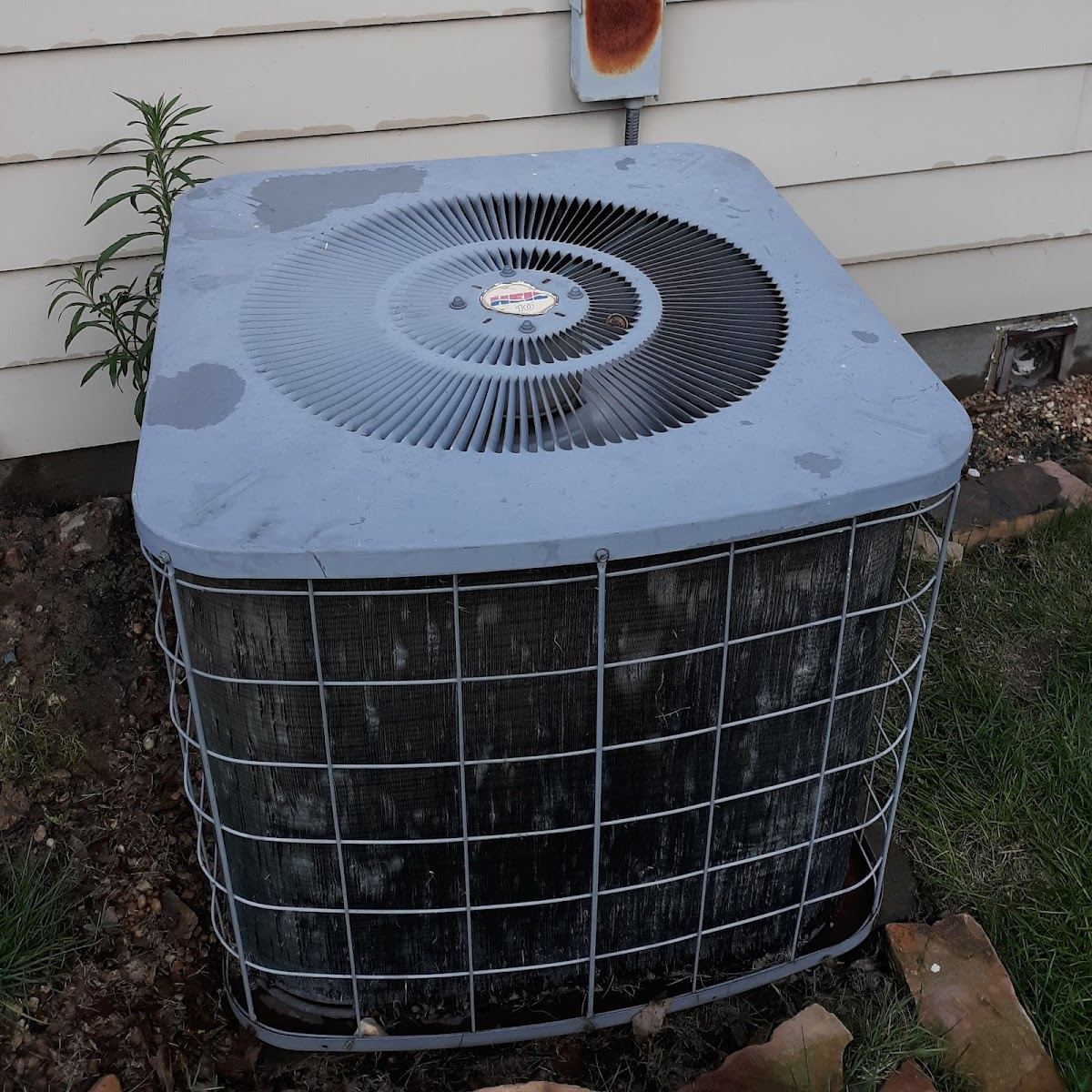
Maintenance feels optional until the system fails in July. Here's the real return on a tune-up.
The July Breakdown Nobody Plans For
It is the first 95-degree week of the summer. The air feels thick the way it only does here in the Chattahoochee Valley. You bump the thermostat down, the system kicks on, and instead of cool air you get warm air and a strange hum. By the time you call around, every HVAC company in Phenix City is booked solid because half the county's units gave out the same week.
That scramble is the real cost of skipping maintenance. The breakdown almost never happens in April when a tech can be at your door by lunch. It happens in July, during the exact stretch when your family needs the system most and when contractors are slammed. A neglected unit fails at the worst possible moment because that is when it is working the hardest.
Regular maintenance is not about pampering your equipment. It is about not getting caught flat-footed when it is 96 degrees and humid. Here is the honest math on what a tune-up actually returns.
What a Skipped Tune-Up Really Costs You
A maintenance visit feels optional because the system keeps running without it, right up until it doesn't. But the damage builds quietly long before the failure. Here is where the money goes when you skip:
- Higher power bills. A dirty coil or clogged filter forces the compressor to run longer for the same cooling. In an Alabama summer, that shows up as 10 to 20 percent more on your monthly bill, every month.
- Small problems become big ones. A worn capacitor is a cheap part. Ignore the warning signs and it can take the compressor down with it, turning a minor repair into a four-figure one.
- Shortened equipment life. A system that should last 12 to 15 years can wear out years early when it runs dirty, low on refrigerant, or with restricted airflow.
- Emergency premiums. After-hours and weekend calls cost more, and you have less leverage to shop around when the house is already hot.
- Voided warranty. Most manufacturers require documented annual maintenance to honor parts coverage. No records, no claim.
The Phenix City Humidity Factor
Generic maintenance advice was not written for our climate. The Chattahoochee River microclimate makes Phenix City, Smiths Station, and across the river into Columbus harder on HVAC equipment than most of the country, and that changes what actually matters during a tune-up.
All that moisture in the air does three things over a season. It accelerates corrosion on the outdoor coil and electrical contacts. It breeds algae and slime inside the condensate drain line, which clogs and backs up water into the pan or onto your floor. And it makes your system work overtime pulling humidity out of the air, which strains the compressor in ways a dry-climate unit never sees.
This is why a real maintenance visit here means clearing and treating the condensate line, checking the coil for early corrosion, and confirming the system is actually dehumidifying, not just chilling. Skip those and you get the classic local failure: a unit that runs fine in May, then drips through the ceiling or freezes up in late July.
What Actually Happens During a Proper Maintenance Visit
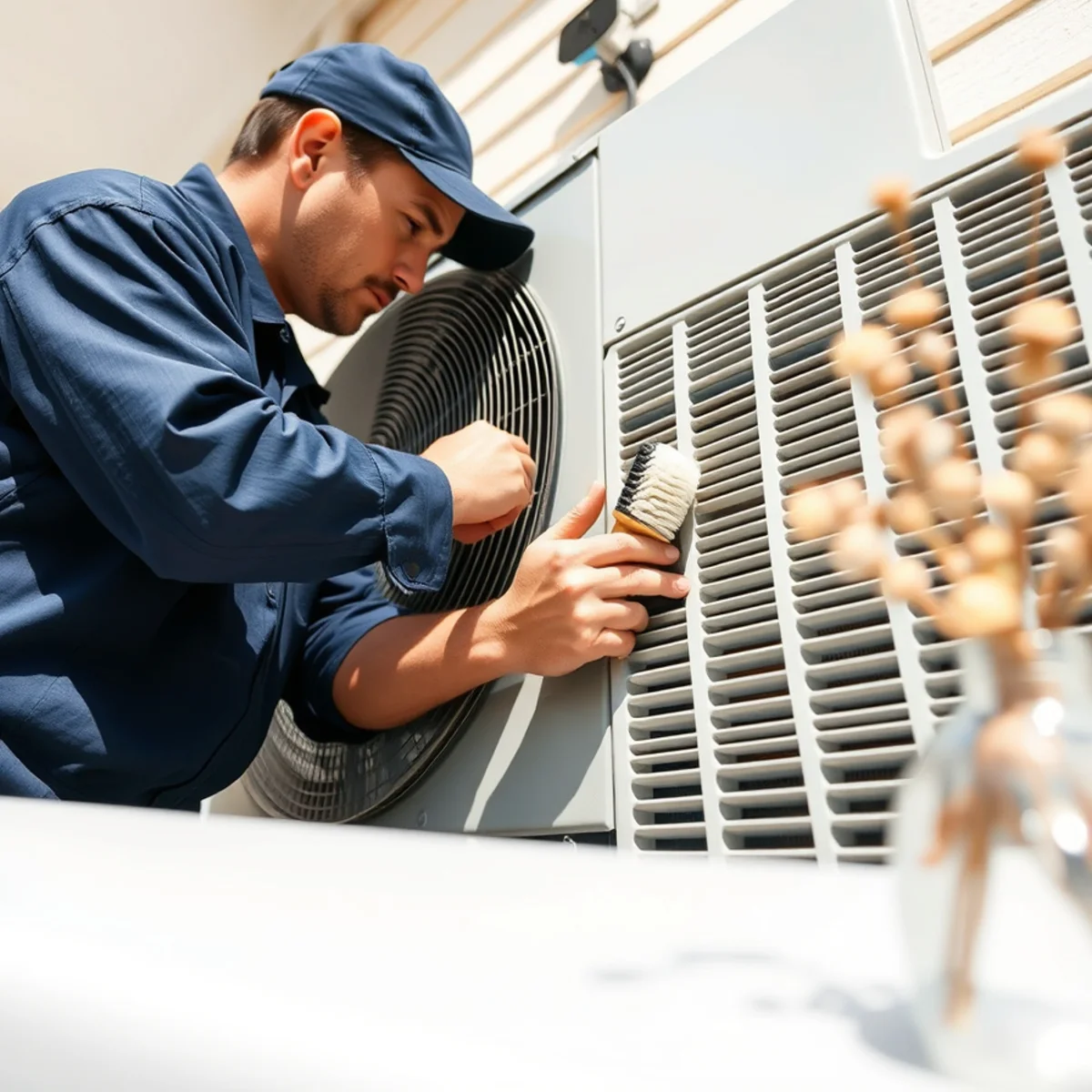
A real tune-up is not a tech glancing at the unit and writing a ticket. It is a checklist that catches the failures before they leave you sweating. On a cooling visit, here is what should get done:
- Clean or replace the air filter and check airflow across the system.
- Wash the outdoor condenser coil and clear debris from around the unit.
- Flush and treat the condensate drain line so it does not clog in humid weather.
- Test refrigerant pressures and inspect for leaks using EPA-compliant detection, never an illegal top-off that just masks a leak.
- Check and tighten electrical connections, and test the capacitor and contactor.
- Lubricate moving parts and inspect the blower motor.
- Verify thermostat calibration and confirm the system cools and dehumidifies as it should.
Heating Maintenance Matters Too, Even Here
Our winters are mild, which fools a lot of folks into thinking heating maintenance is something for people up north. It is not. A furnace or heat pump that sat unused all summer collects dust, and that dust burns off the first cold snap, sometimes with a smell, sometimes with a problem.
The bigger reason is safety. On gas furnaces, a cracked heat exchanger can leak carbon monoxide, and you will not see or smell it. A fall heating-maintenance check includes a heat exchanger inspection and a combustion check that catches that risk before you light the system for the season. Even if you only run heat a few weeks a year, those are weeks you want it working safely.
The smart move is one cooling tune-up in the spring and one heating check in the fall. Two visits a year keeps both sides of the system honest and spreads the work out so nothing gets caught off guard by the weather.
Why a Maintenance Plan Usually Pencils Out
For most Phenix City homeowners, paying per visit works fine, but a maintenance plan tends to come out ahead once you add up the pieces. A good plan bundles your spring AC tune-up and fall heating check, keeps the warranty-required service records on file for you, and usually includes priority scheduling when the July rush hits.
That priority piece is the part people undervalue. When the whole county is breaking down at once, plan members get moved to the front of the line. Many plans also include a discount on any repairs that come up, which softens the blow if a part does fail.
We are honest about this: a plan is not magic, and it does not make an old system new. But for a unit you want to get full life out of, the combination of consistent service, kept records, and front-of-line scheduling usually returns more than it costs. If you want to know whether it makes sense for your specific system, call us at +1 (327) 210-5999 and we will give you the straight answer.
When to Handle It Yourself and When to Call a Pro
There is real value in the things you can do between visits, and you should do them. Change the filter every one to three months, especially in summer when the system runs hard. Keep grass clippings, leaves, and pollen cleared away from the outdoor unit so it can breathe. Glance at the drain line area for standing water now and then.
But some work needs a licensed technician, both for safety and because the law requires it. Refrigerant handling, electrical repairs, gas furnace combustion checks, and warranty-covered service all belong to a pro. We are licensed in both Alabama (#08193) and Georgia (#CR109793), so whether you are in Ladonia, Lakewood, Smiths Station, or across the river in Columbus or Fort Mitchell, the work is done right and on the books.
If your system is short-cycling, blowing warm, leaking water, making new noises, or your bills jumped for no clear reason, do not wait for July. Schedule a tune-up now, while a tech can still get to you the same week. Call +1 (327) 210-5999 and we will get you on the calendar. Scott Copeland stands behind the work, the same as we have since 1997.
Frequently Asked Questions
Twice a year is the standard: a cooling tune-up in the spring before the Alabama heat sets in, and a heating check in the fall before the first cold snap. At minimum, get the AC serviced once a year given how hard our summers are on equipment. Most manufacturers also require documented annual maintenance to keep your parts warranty valid.
Need a hand from a local technician?
My Affordable Air has helped Phenix City families breathe better since 1997. Call for honest, licensed HVAC help.