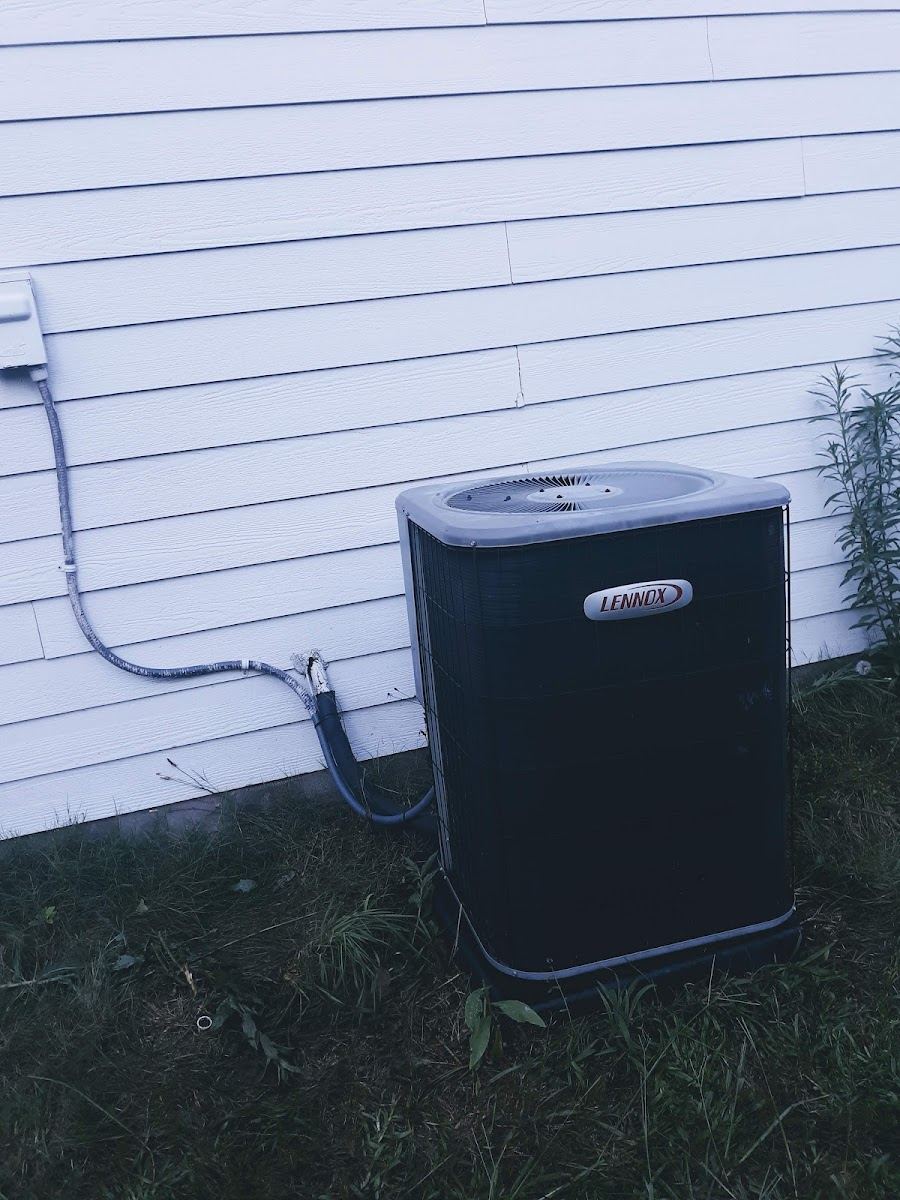
Two AC quotes for the same house can look nothing alike. Here's what drives the price, and how to compare quotes fairly.
What determines the cost of AC replacement?
The cost of replacing an air conditioner comes down to the size of the system your home needs, the efficiency and compressor type you choose, whether the indoor coil and air handler are replaced too, and how much work the install needs beyond the equipment: ductwork, electrical, line set, pad, drain and permits. Two homes of the same square footage can need very different jobs. That is why an honest contractor gives you a written quote after seeing the house, not a number over the phone.
We do not publish price lists for that reason. What we can do is explain each cost factor, so when you get a quote from us or anyone else in Phenix City, you know exactly what you are paying for.
System size and a real load calculation
Air conditioners are sized in tons of cooling capacity. A bigger system costs more, but bigger is not better. An oversized unit cools the air fast and shuts off before it pulls enough moisture out, so the house feels cold and clammy. In our river-valley humidity that is a real comfort problem, and it wears the equipment with constant short cycles.
The right size comes from a Manual J load calculation. It accounts for insulation, windows, which way the house faces, ceiling height, air leakage and the local climate. A contractor who simply matches the old unit's tonnage may be repeating someone else's mistake. Our guide on what size AC your home needs goes deeper.
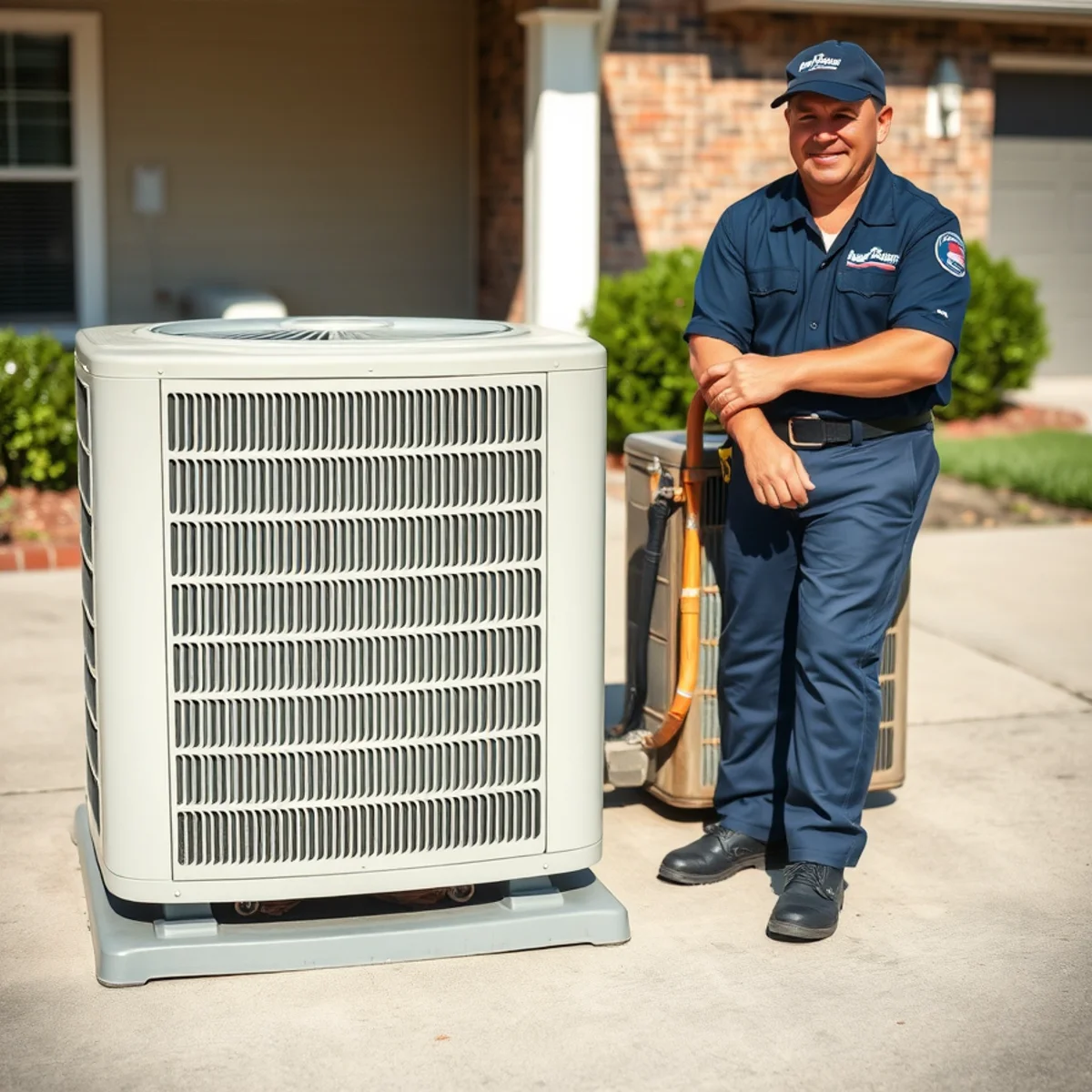
Efficiency (SEER2) and compressor type
Efficiency is rated in SEER2. Higher-rated systems cost more up front and cost less to run. Federal rules already set a higher minimum for new central AC in the Southeast than in northern states, so even an entry-level system today is a big step up from a unit installed in the early 2000s.
The compressor type matters as much as the rating:
- Single-stage: on or off at full power. The simplest and lowest-cost option.
- Two-stage: a low setting for most days and a high setting for the hottest afternoons. Longer, quieter cycles and better humidity removal.
- Variable-speed (inverter): adjusts output in small steps. The most even temperatures, the best dehumidification and the highest efficiency, at the highest equipment cost.
- In a long, humid cooling season, the step from single-stage to two-stage often makes a noticeable difference in how the house feels, not just on the power bill.
Matched systems: coil, air handler and refrigerant
The outdoor condenser is only half the system. The indoor evaporator coil, and the air handler or furnace it sits on, have to be matched to it for the system to reach its rated efficiency and for the manufacturer's warranty terms to apply. Replacing only the outdoor unit can look cheaper on paper, but a mismatched system usually underperforms.
Refrigerant changes make this more important now. Older systems used R-22, and many still run on R-410A. New equipment uses newer, lower-impact refrigerants under current EPA rules, and those generally need a coil designed for them. In practice, most replacements today mean a new outdoor unit and a new indoor coil, and sometimes a new air handler. If the indoor unit is a heat pump air handler, see our heat pump replacement page.
The copper line set that connects the two units may be reused if it is the right size and in good condition, or it may need replacing. Line sets buried in walls or slabs cost more to change.
The parts of the job people forget
Equipment is the biggest line item, but the installation details decide whether a system lasts. These all affect the price:
- Ductwork: leaky, crushed or undersized ducts waste cooling and can starve a new system of airflow. Sometimes duct repair and sealing is part of doing the job right.
- Electrical: a new disconnect, breaker or wiring may be needed to meet code and the new unit's requirements.
- Pad and placement: a new level pad, or relocating the unit, adds labor.
- Condensate drain and safety switch: important in our humidity, where clogged drains are a common cause of water damage.
- Thermostat: two-stage and variable-speed systems often need a compatible thermostat to run as designed.
- Permits and inspection: required in most jurisdictions, and a legitimate contractor pulls them.
- Access: an air handler in a cramped attic, a crawlspace or a closet with little room takes more time.
- Removal: recovering the old refrigerant to EPA requirements and hauling off the old equipment.
Timing: replace before it fails if you can
Emergency replacements in July happen, and we handle them. But when the system dies on the hottest week of the year, you have less time to compare options and equipment choices may be limited to what is in stock. If your AC is getting old and repairs are stacking up, planning a replacement in spring or fall gives you time to get quotes and choose. Our AC repair vs replacement guide can help you decide whether it is time.
How to compare AC quotes apples to apples
A low quote is not a good deal if it leaves out half the job. Before you compare totals, line up these details from every contractor:
- Was a load calculation done, or was the size just copied from the old unit?
- Exact model numbers for the outdoor unit, indoor coil and air handler, and whether they are a matched system.
- SEER2 rating and compressor type (single-stage, two-stage or variable-speed).
- Whether the line set, pad, disconnect, drain line, float switch and thermostat are included.
- What ductwork inspection or repair is included, if any.
- Permit, old-unit removal and refrigerant recovery.
- Labor and equipment warranty terms in writing, and who handles warranty claims.
- Whether the price is a firm written quote or an estimate that can change.
Financing a new system
A new air conditioner is a big purchase, and it rarely comes at a convenient time. Financing is available on larger projects, so you do not have to choose between a failing system and your savings. Ask about current options during your estimate, and see our HVAC financing page for details. Terms depend on approval, so read them carefully before you sign.
However you pay, our upfront pricing approach works the same way: you see and approve the price before any work starts.
Get a written AC replacement quote
If your system is aging out or a big repair has you thinking about a new one, we will come look at the house, size it properly and give you clear options at a few price points. No pressure, and no surprise line items later. Learn more about AC replacement in Phenix City, or call +1 (327) 210-5999 to schedule an estimate. We serve Russell and Lee Counties in Alabama and Muscogee, Harris and Chattahoochee Counties in Georgia.
Frequently Asked Questions
Because the equipment is only part of the job. Sizing, the indoor coil, ductwork condition, electrical, line set and access all change the price. A phone number would be a guess, and guesses tend to grow later. A written quote after a site visit is the honest way to do it.
Related Guides
Need a hand from a local technician?
My Affordable Air has helped Phenix City families breathe better since 1997. Call for honest, licensed HVAC help.