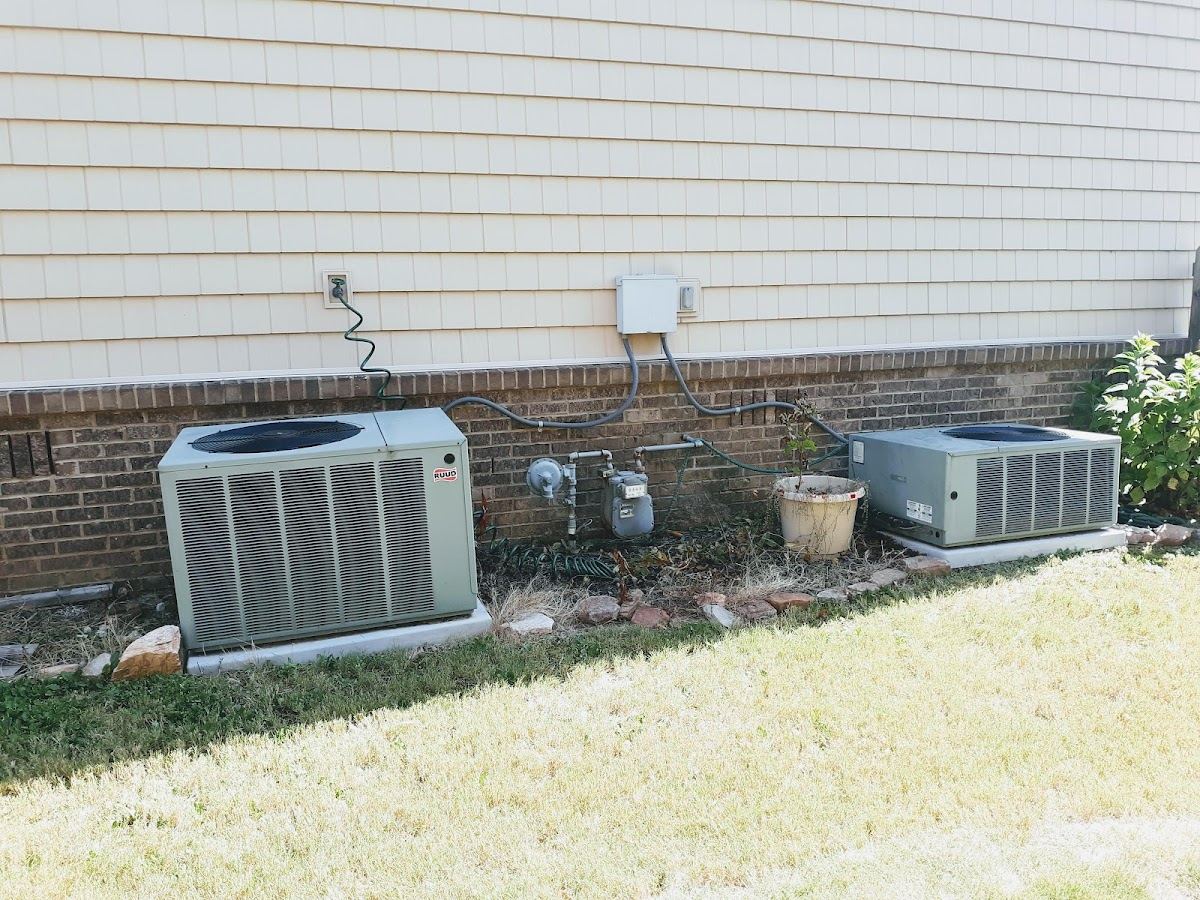
A well-maintained gas furnace is safe. Here's how carbon monoxide problems start, the warning signs, and what to do if your alarm goes off.
Can a gas furnace leak carbon monoxide?
Yes. Any gas furnace makes carbon monoxide as part of burning fuel, and it becomes dangerous when that exhaust does not leave the house the way it should. The usual causes are a cracked heat exchanger, a blocked, disconnected or backdrafting flue, or burners that are not burning cleanly. Working CO alarms and an annual safety inspection are the two best protections.
Most gas furnaces run safely for years. The point of this guide is not to scare anyone off gas heat. It is to explain how problems start, what the warning signs look like and exactly what to do if something seems wrong.
If your CO alarm sounds or you feel sick: act now
Do not try to troubleshoot first. Get everyone, including pets, out into fresh air right away, and call 911 from outside. Do not go back in until the fire department or emergency responders say it is safe.
Carbon monoxide has no color, smell or taste. Early symptoms are often mistaken for the flu: headache, dizziness, weakness, nausea or vomiting, shortness of breath, chest pain and confusion. A clue is when several people in the house feel sick at the same time, or symptoms ease when you leave home and come back when you return. Anyone with symptoms should get medical help right away. Once the home is cleared, have the furnace and other gas appliances inspected before using them again.
If you smell gas
Natural gas and propane are given a rotten-egg odor so leaks can be noticed. That smell is a gas leak, not a CO problem, and it needs a different response:
- Leave the house right away and take everyone with you.
- Do not flip light switches, use the thermostat, unplug anything, light a match or start a car in an attached garage. A spark can ignite gas.
- Do not use your phone until you are outside and away from the house.
- From outside, call your gas utility or 911.
- Do not go back in until the utility or fire department says it is safe. Then call an HVAC technician to inspect the furnace and gas connection.
How a furnace can produce carbon monoxide
Burning gas cleanly produces mostly carbon dioxide and water vapor. When combustion is incomplete, from too little air, a dirty burner or a gas pressure problem, it makes more carbon monoxide. A healthy furnace keeps those gases sealed inside the heat exchanger and pushes them outside through the vent.
Problems happen in three places:
- The heat exchanger: years of heating and cooling cycles cause metal fatigue. A crack or hole can let combustion gases mix with the air your blower sends through the house. Overheating from a clogged filter or an oversized furnace speeds this up.
- The vent or flue: a disconnected joint, a rusted-through pipe, a bird or debris blockage, or an undersized vent can let exhaust spill back into the home. High-efficiency furnaces vent through PVC pipes that can be blocked by debris or damage outside.
- Combustion itself: a dirty burner, a misadjusted gas valve or a furnace starved for combustion air in a tight closet can burn dirty and produce more CO.
Warning signs at the furnace
- Burner flames that are yellow, orange or flickering instead of mostly steady blue. Look only through the sight glass or viewing window. Do not remove burner covers.
- Soot, scorch marks or rust around the burners, the cabinet or the vent connection.
- Moisture or condensation on nearby walls or windows that seems out of place when the furnace runs.
- A sharp, unusual chemical smell when the heat is on.
- The furnace shutting down on a safety switch, or a rollout or limit switch that keeps tripping. Those switches are telling you something.
- A vent pipe that is loose, sagging, separated or corroded.
Carbon monoxide alarms: where and how
Every home with a gas furnace, gas water heater, gas range, fireplace or attached garage should have CO alarms. General safety guidance from the U.S. Consumer Product Safety Commission and the National Fire Protection Association is to put a CO alarm on every level of the home and outside each sleeping area, so it can wake people up.
Follow the alarm maker's instructions for exact placement and mounting height. Choose alarms that meet the UL 2034 standard. Test them regularly using the test button, replace batteries as directed and replace the alarm itself at the end of the service life printed on it. Combination smoke and CO alarms are fine as long as they are placed where both work well. A CO alarm is a backup, not a substitute for keeping the furnace in good shape.
Why an annual combustion safety inspection matters
The CPSC has long encouraged a yearly professional inspection of fuel-burning heating systems. A cracked heat exchanger usually cannot be spotted from the outside, and venting problems can start between seasons. A proper inspection should cover:
- Inspecting the heat exchanger for cracks, holes and corrosion.
- Checking the flue and vent for blockages, proper slope, secure joints and correct draft.
- Cleaning and adjusting the burners and checking the flame.
- Testing combustion and checking for carbon monoxide.
- Testing safety controls such as rollout switches, the high-limit switch and the pressure switch.
- Checking the gas connection for leaks and confirming the furnace has enough combustion air.
Things a homeowner should never do
- Never bypass, jumper or disable a safety switch to keep the furnace running.
- Never run the furnace with the burner or blower door off.
- Never open up burners, adjust the gas valve or patch a vent pipe with tape.
- Never heat your home with a gas oven or stovetop.
- Never run a generator, grill or car inside a house or garage, even with the door open.
- Never store paint, gasoline, cleaners or clutter around the furnace or water heater.
- Never block the outdoor intake and exhaust pipes of a high-efficiency furnace with plants, mulch or stored items.
- Never ignore a CO alarm because the furnace seems to be working.
What you can safely do
Change the filter on schedule so the furnace does not overheat. Keep the area around the furnace clear. Look at the vent pipe for obvious separation or rust. Check that outdoor vent pipes are clear of debris. Test your CO alarms. If the furnace will not start, our furnace won't turn on guide walks through safe checks, but stop at anything involving gas, burners or wiring.
Schedule a furnace safety check
If your furnace has not been inspected this year, or you have noticed any warning signs above, have it looked at before the next cold snap. Our furnace maintenance visit includes a full safety check, and if we find a problem, our gas furnace repair technicians will explain what it is and what it takes to fix. If the heat exchanger is cracked, we will tell you plainly and walk you through furnace replacement cost factors.
For an active gas smell or a sounding CO alarm, leave the house and call 911 or your gas utility first. For everything else, call +1 (327) 210-5999. We are licensed in Alabama and Georgia and have kept Chattahoochee Valley homes warm and safe since 1997.
Frequently Asked Questions
Common early symptoms are headache, dizziness, weakness, nausea and confusion, often mistaken for the flu. If several people feel ill at once or symptoms improve when you leave home, suspect CO. Get everyone outside, call 911 and seek medical help.
Related Guides
Need a hand from a local technician?
My Affordable Air has helped Phenix City families breathe better since 1997. Call for honest, licensed HVAC help.