Efficiency, venting, gas lines and ductwork can change a furnace quote more than the furnace itself. Here's what to look for.
What affects the cost of a furnace replacement?
Furnace replacement cost depends on the fuel type, the efficiency rating (AFUE), the burner and blower type, the size your home needs, and the work around the furnace: venting, the gas line, the condensate drain, ductwork and access. Switching from a standard furnace to a high-efficiency condensing model often changes the venting, and that can matter as much as the price of the equipment. The only reliable number is a written quote after someone has looked at your setup.
Here is what goes into that quote, so you can read one with confidence, whether you live in Phenix City, Smiths Station, Auburn or Columbus.
First: does it really need replacing?
Not every furnace problem means a new furnace. Igniters, flame sensors, pressure switches, inducer motors and control boards are all repairable. These signs lean toward replacement:
- Age: the furnace is well into its second decade and repairs are getting more frequent.
- Repeated repairs: you are calling for service more than once a season, or a single repair is a large share of the price of a new unit.
- A cracked heat exchanger: on most furnaces this is the end of the line. A crack can let combustion gases into the airflow, and it is not a safe repair to patch.
- Rising gas bills and uneven heat, even after a tune-up.
- Signs of combustion problems: soot, rust or scorch marks around the burners, a yellow, lazy flame, or a CO alarm going off. Treat that last one as an emergency.
Gas or electric furnace
Electric furnaces heat with resistance elements. They are simpler to install, with no gas line, flue or combustion, but they are expensive to run for heating. Gas furnaces cost more to install where venting and gas piping are involved, but natural gas heat is often cheaper to operate.
If you are considering electric, it is worth comparing it with a heat pump, which heats far more efficiently with electricity. Our heat pump vs gas furnace guide breaks down that choice for our climate, including dual-fuel systems that pair a heat pump with a gas furnace.
AFUE: 80% vs 90%+ condensing furnaces
AFUE is the share of the fuel that ends up as heat in your home. A standard furnace in the 80% range sends the rest up a metal flue. A high-efficiency condensing furnace in the 90s pulls extra heat from the exhaust, which cools it enough to condense water.
That extra efficiency changes the installation:
- Venting: a condensing furnace vents through PVC pipe, usually out a side wall or the roof, instead of the existing metal flue or chimney.
- Condensate drain: it makes water all winter, so it needs a drain line, and sometimes a condensate pump.
- Orphaned water heater: if a gas water heater shared the old flue, taking the furnace off it can leave the flue the wrong size for the water heater alone. That may need a liner or other venting changes, and it has to be checked.
- Payback: in a mild climate like ours, the furnace runs fewer hours than it would up north, so the fuel savings from a higher AFUE build up more slowly. A good installer runs the numbers for your house instead of assuming the top tier is always worth it.
Single-stage, two-stage or modulating
A single-stage furnace runs at full fire every time. A two-stage furnace has a low fire for mild days and a high fire for the cold ones, so it runs longer, quieter and more evenly. A modulating furnace adjusts its flame in small steps for the steadiest temperatures. Each step up costs more. Blower type matters too: variable-speed blowers move air more quietly and efficiently and help your AC remove humidity in summer, since the furnace blower also moves your cooling air.
Sizing and ductwork
Furnaces are sized by heat output. An oversized furnace short-cycles, heats unevenly and wears out faster. It is common to find older furnaces that are bigger than the house needs. A Manual J load calculation sets the right size, and the right size is often smaller, and cheaper, than what was there.
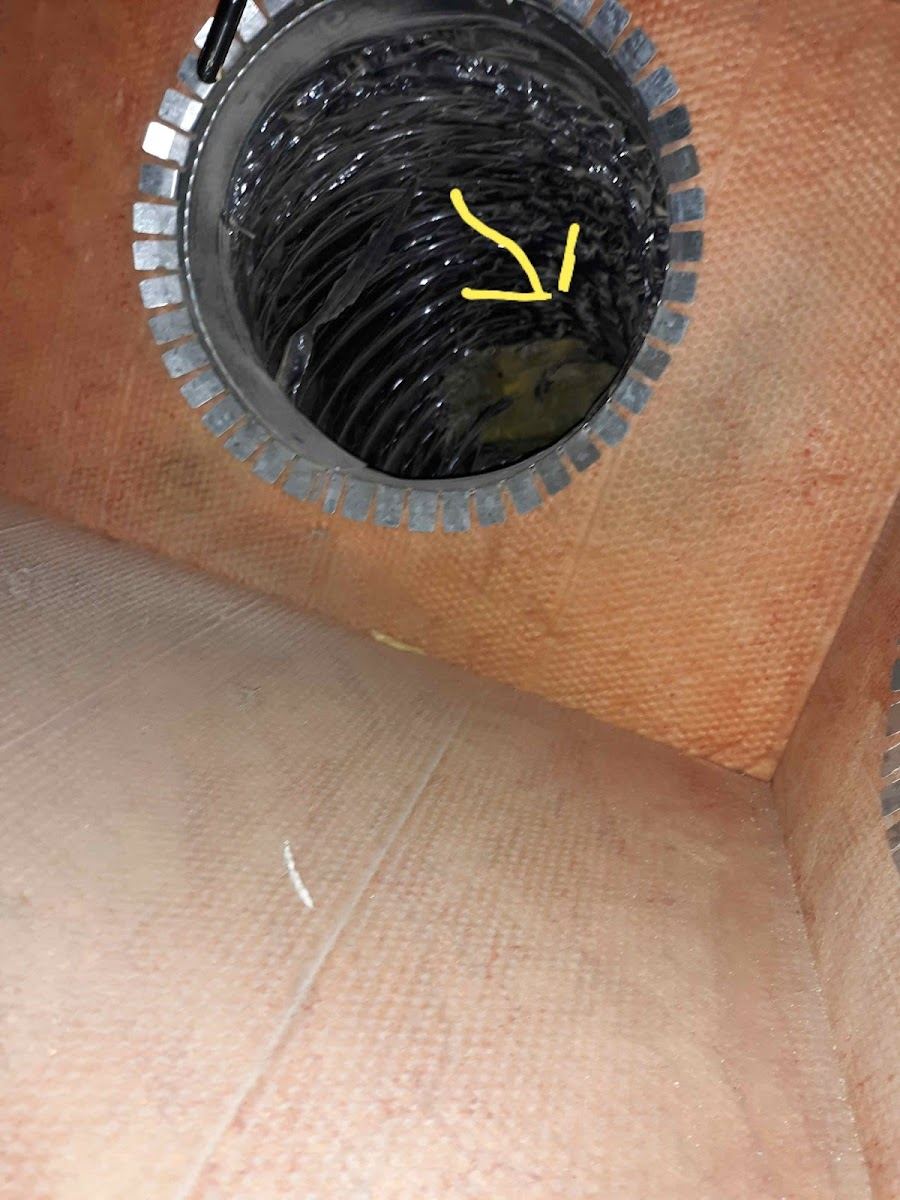
The ducts have to match the blower. Leaky, crushed or undersized ducts cause noise, hot and cold rooms and wasted heat. A replacement is a good time to have them inspected and, where needed, sealed or repaired.
Gas line, flue and other install details
- Gas piping: the shutoff valve, sediment trap and connector may need updating, and a line may need resizing for the new equipment. All gas work is tested for leaks.
- Flue and chimney: the existing vent has to be the right size and material and in sound condition for the new furnace.
- Combustion air: furnaces in closets or small rooms need enough air for safe combustion.
- Location and access: attic, crawlspace and tight closet installs take more labor.
- Electrical and thermostat: a new thermostat may be needed for two-stage or modulating equipment.
- Permits, removal of the old furnace and a final safety check of the new one.
How to compare furnace quotes
Ask each contractor for the exact model, AFUE, staging and blower type, the size and how they arrived at it, and a written list of what is included: venting, gas connection, drain, thermostat, ductwork, permit and haul-away. Make sure a combustion and CO safety check of the new furnace is part of startup. Then compare totals. Our upfront pricing promise means the price you approve is the price you pay, and financing for larger projects is available, subject to approval.
Get an honest furnace assessment
If your furnace is old, unreliable or has failed a safety check, we will give you a straight answer on repair versus replacement, then options at a few price points. See heating replacement and furnace installation, and read up on gas furnace safety and carbon monoxide in the meantime. Call +1 (327) 210-5999 to schedule. We are licensed in Alabama and Georgia and have served the Chattahoochee Valley since 1997.
Frequently Asked Questions
Sometimes. It saves gas, but our winters are mild, so the savings build slowly, and condensing furnaces need PVC venting and a condensate drain. If your house is easy to vent and you plan to stay a long time, it can pay off. We will run the comparison for your home.
Related Guides
Need a hand from a local technician?
My Affordable Air has helped Phenix City families breathe better since 1997. Call for honest, licensed HVAC help.