
A little frost on your heat pump is normal in winter. A solid block of ice is not. Here's what causes it, what to do safely, and when to call.
Is It Normal for a Heat Pump to Ice Up in Winter?
A light coat of frost on the outdoor coil is normal in cold, damp weather, and the heat pump's defrost cycle should melt it off on its own. A unit encased in solid ice, with ice on the top, the fan or the whole coil, is not normal. That means the defrost system isn't keeping up, and running it that way can damage the heat pump.
In heating mode, the outdoor coil runs colder than the outside air so it can pull heat in. When the air is near freezing and humid, which describes plenty of winter mornings in the Chattahoochee Valley, moisture freezes on that coil. Every heat pump is built to handle it. The real question is whether the frost clears.
How Defrost Is Supposed to Work
A defrost control board watches the outdoor coil temperature, the run time, or both. When frost builds up, it switches the system briefly into cooling mode. Warm refrigerant runs through the outdoor coil, the outdoor fan stops, and the frost melts off. Steam rising from the unit and a whooshing sound when it switches are part of the process.
In frosty weather, defrost typically runs every 30 to 90 minutes of operation, depending on conditions and how the board is set, and each cycle lasts a few minutes. Indoors you may feel cooler air or see AUX on the thermostat while it happens. Our guide on why a heat pump can blow cool air explains what you'll notice inside. Afterward, the outdoor coil should look wet or clear, not white.
Frost that comes and goes is fine. Ice that keeps building cycle after cycle is the problem.
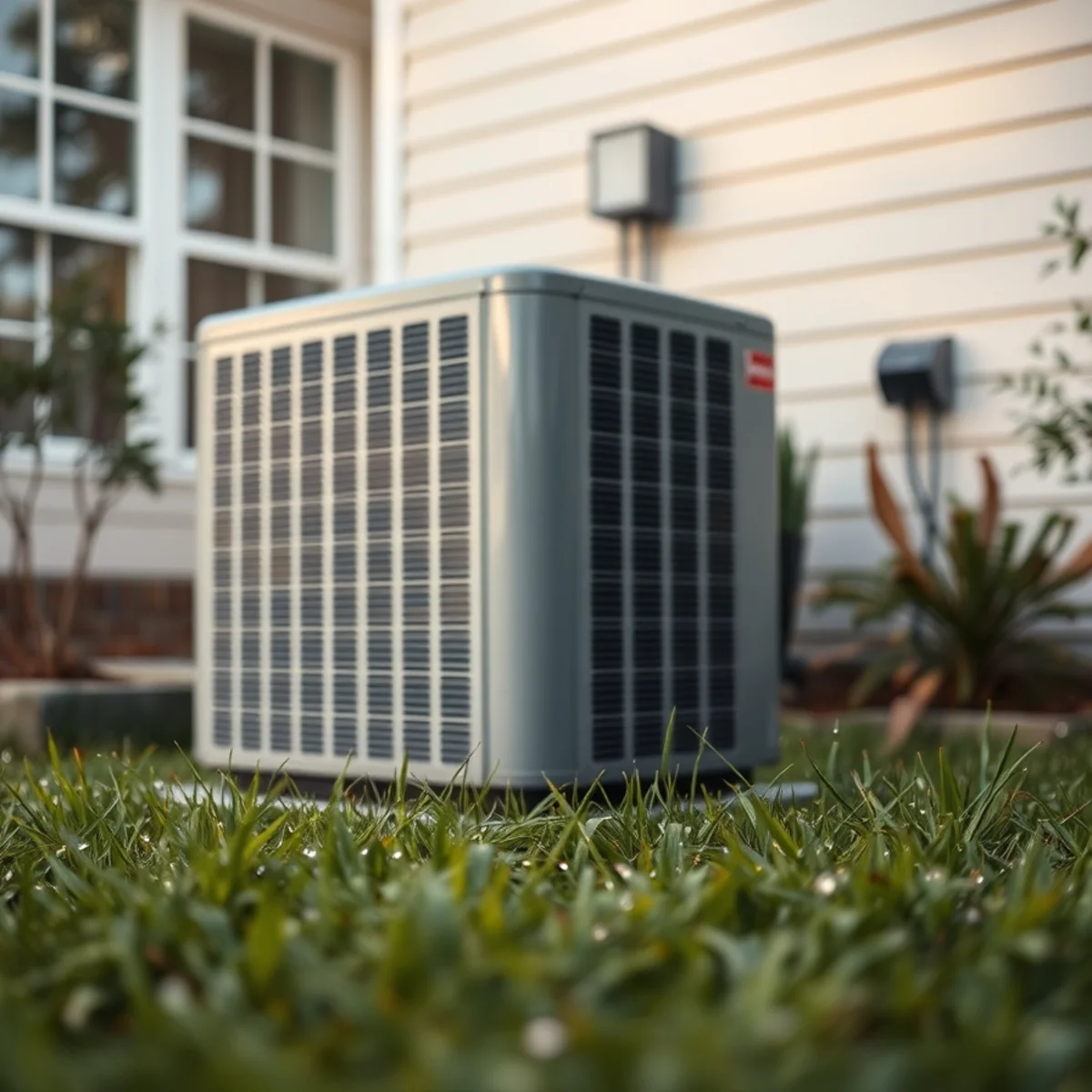
Frost or Ice? How to Tell the Difference
Walk outside and take a look. Here's what you're likely seeing:
- Normal: A thin white frost on the coil fins that melts during defrost, with the fan still spinning freely.
- Normal: Steam, or water dripping from the unit, right after a defrost.
- Not normal: A solid sheet of ice you can't see the fins through.
- Not normal: Ice on the top grille, the fan blades or the fan guard.
- Not normal: Ice building up from the ground or the base of the unit into the coil.
- Not normal: Frost that stays for hours and never clears, or a fan that has stopped or is scraping ice.
- Not normal: The house losing temperature while the heat pump runs constantly.
What Causes a Heat Pump to Freeze Solid?
When ice keeps winning, one of these is usually behind it. In a true ice storm, even a healthy heat pump can get coated. That's weather, not a defect, and the safe steps below still apply.
- Failed defrost board or sensor: If the board or the coil sensor fails, the unit never goes into defrost, or doesn't stay in long enough. This is one of the most common causes.
- Low refrigerant: A leak makes the outdoor coil run colder than designed, so ice forms faster than defrost can clear it. Our river-valley humidity speeds up coil corrosion, and leaks are common on older units.
- Outdoor fan not running: A bad fan motor or capacitor means no air moves across the coil, so it freezes quickly.
- Stuck reversing valve: Defrost depends on the reversing valve shifting into cooling mode. If it sticks, the system can't defrost.
- Blocked airflow: Leaves, pine straw, overgrown shrubs or a dirty coil restrict airflow. A clogged indoor filter can also throw off system pressures.
- Water dripping from above: A leaky or overflowing gutter dripping onto the unit can freeze it from the top down, especially during freezing rain.
- Poor drainage or a unit sitting too low: Melt water has to drain away. If the pad has sunk, the ground slopes toward the unit, or it sits in a low spot, water refreezes around the base and the ice climbs into the coil.
What You Can Safely Do Right Now
Your goal is to keep the house warm and stop the heat pump from running while it's iced over. Here's the safe way to do it:
- Switch the thermostat to emergency heat (EM HEAT). That shuts off the outdoor unit and heats the house with backup heat while you sort things out. If your thermostat doesn't have that setting, turn the system OFF. Here's how emergency heat works and why it costs more to run.
- Don't chip, scrape or hammer at the ice. The coil fins and tubing are thin, and one puncture means a refrigerant leak.
- Don't pour boiling or very hot water on the coil. The sudden temperature change stresses parts, the water can soak electrical components, and it often refreezes as more ice in the base.
- Clear the area around the unit: leaves, snow and anything leaning against it. Make sure nothing is covering the top.
- Fix the drip if you can see it. Redirect a gutter or downspout that's dumping water onto the unit.
- If your manufacturer's manual allows it, you can shut off power at the disconnect and gently rinse the coil with lukewarm water from a garden hose to speed up melting. If you're not sure, skip it and let the unit thaw on its own with the power off.
- Don't cover the unit with a tarp or plastic while it's running.
After It Thaws: Watch One Defrost Cycle
Once the ice has melted and the unit has had time to drain, switch the thermostat back to normal HEAT. Keep an eye on the outdoor unit over the next hour or two. You should see light frost come and go, and the fan should run normally between defrost cycles.
If heavy ice is back within a few hours, the cause hasn't gone anywhere. Thawing it again and again won't fix a bad defrost board, a leak or a dead fan motor. Running it iced over puts real strain on the compressor, the most expensive part of the system. Leave it on emergency heat and call.
When to Call a Pro
Our technicians handle heat pump repair on all major brands, including defrost boards and sensors, fan motors, reversing valves, and EPA-compliant leak repair. Call if:
- The unit is iced solid from top to bottom.
- Ice comes back after you've thawed it and restarted the system.
- The outdoor fan isn't spinning, or you hear it hitting ice.
- The unit never seems to go into defrost, or seems stuck in it.
- You see oily spots on the coil or refrigerant lines, a common sign of a leak.
- The house only stays warm on emergency heat.
How to Prevent Winter Freeze-Ups
Most freeze-ups start with something small that a fall visit would catch: a weak fan capacitor, a dirty coil, a slow leak, or a defrost sensor starting to drift.
- Schedule heat pump maintenance in the fall and again in the spring. Heat pumps work year-round here, so twice a year makes sense.
- Keep at least two feet clear around the outdoor unit and trim shrubs back.
- Clean gutters above the unit and aim downspouts away from it.
- Make sure the unit sits level, on a pad or risers that keep it out of standing water and let melt water drain.
- Change the indoor filter on schedule.
- Learn the early warning signs your heat pump needs repair so small problems get fixed before a cold snap.
Ice on Your Heat Pump? Give Us a Call
A heat pump that's frozen solid needs more than a thaw. It needs the reason found. We'll check the defrost controls, fan, refrigerant charge and drainage, explain what we find, and give you an upfront price before any work.
Call My Affordable Air at +1 (327) 210-5999. We're licensed in Alabama and Georgia and have served Phenix City, Smiths Station, Columbus and the surrounding counties since 1997. Weekend service is available by call.
Frequently Asked Questions
Light frost that clears during defrost is normal. A thick block of ice, or ice on the fan or top of the unit, is not. It means the defrost system isn't keeping up, and the unit should be shut down and checked.
Related Guides
Need a hand from a local technician?
My Affordable Air has helped Phenix City families breathe better since 1997. Call for honest, licensed HVAC help.