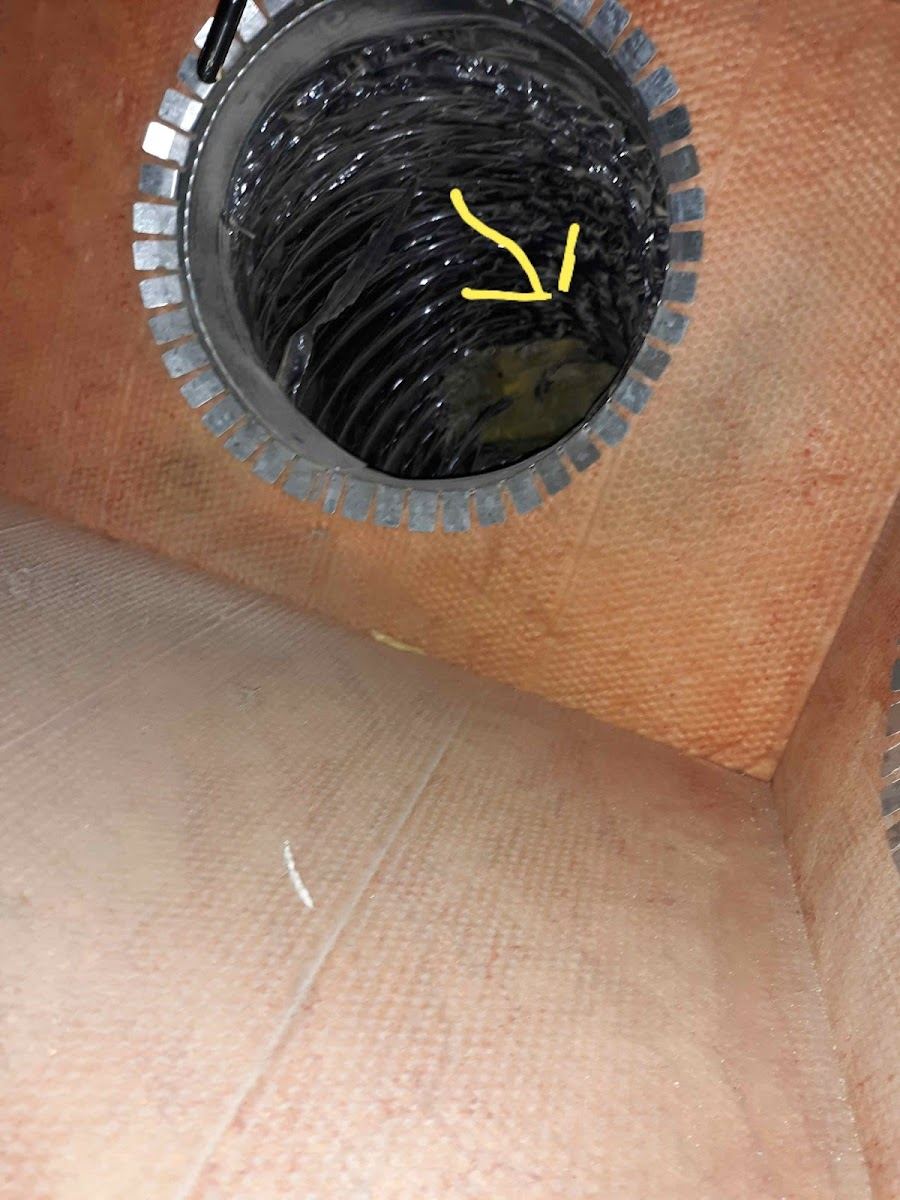
A practical spring, fall and in-between checklist for light commercial rooftop units, plus how to schedule around business hours and what to look for in an agreement.
What Should a Commercial HVAC Maintenance Checklist Include?
For a light commercial building with rooftop units, a solid checklist covers filters, belts, coils, the condensate drain, the economizer, refrigerant performance checked by an EPA-certified technician, electrical parts, controls and thermostats, and the heating section, with written records of every visit. Most buildings need a full service in spring before cooling season and again in fall before heating, plus filter changes and quick checks in between.
Offices, shops, restaurants and clinics around Phenix City and Columbus lean hard on their equipment for most of the year. A unit that quits on a July afternoon costs you more than the repair: lost sales, uncomfortable staff, and sometimes spoiled stock. Our commercial HVAC maintenance service follows a checklist like the one below. The same logic behind why regular HVAC maintenance saves money at home applies even more to a business.
Monthly and Quarterly: The In-Between Checks
These don't need a full service visit, but someone should own them. Leave anything on the roof to a technician unless your building has safe, code-compliant roof access and your staff are trained for it.
- Filters: change them on a set schedule, usually every one to three months depending on occupancy, dust and the season. Spring pine pollen in our area can load filters much faster.
- Condensate drains: make sure drains and traps are flowing. Water stains on ceiling tiles below a unit are an early warning.
- Thermostat schedules: confirm occupied and unoccupied settings still match your hours, especially after holidays or schedule changes.
- Listen and look: new noises, odors, short-cycling or rooms that won't hold temperature are worth a call before they become a breakdown.
- Around the equipment: keep ground-level condensers and split systems clear of trash, pallets and landscaping.
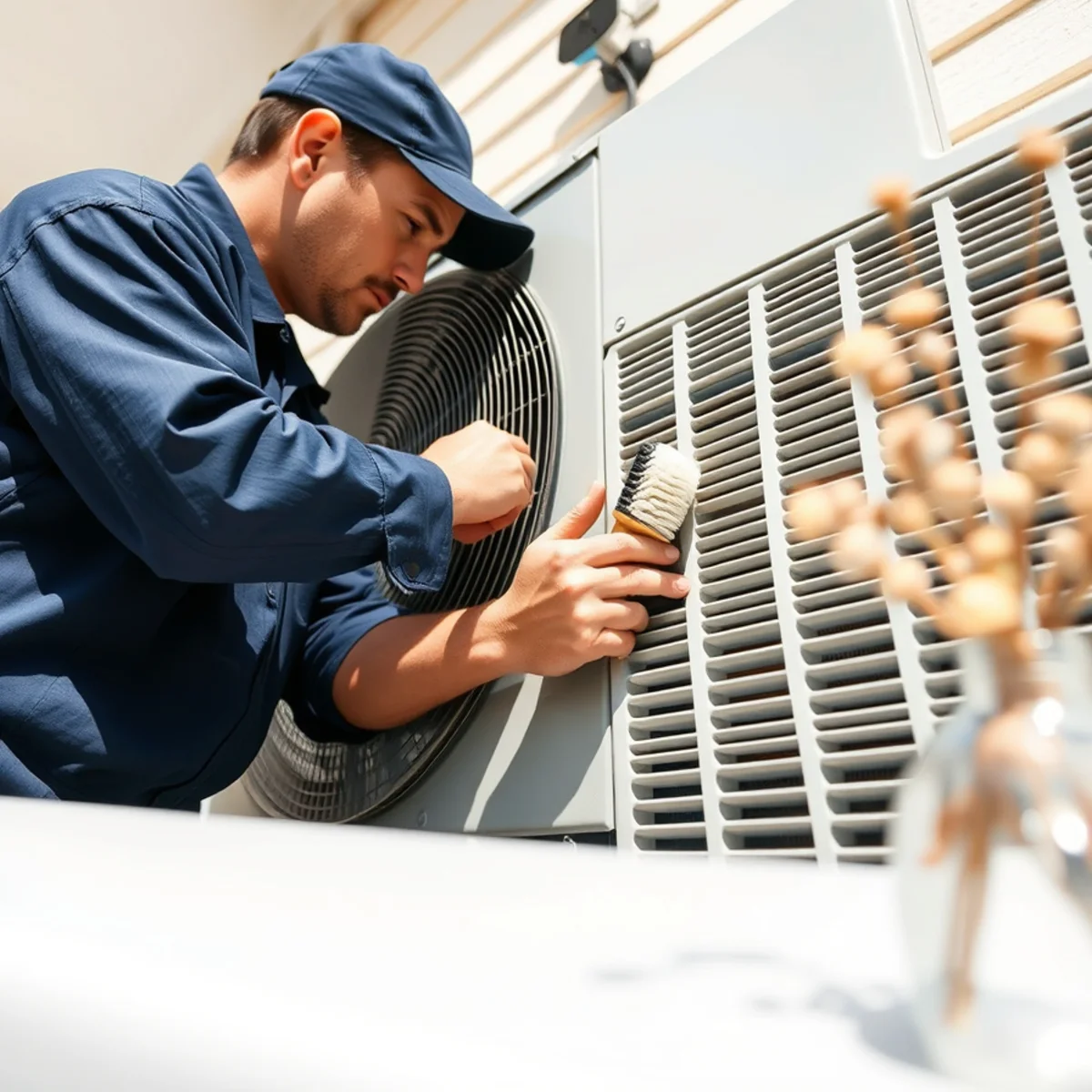
Spring Checklist: Before Cooling Season
- Clean the condenser coil. Dirt, pollen, leaves and grass clippings cut capacity and push head pressure up.
- Inspect the evaporator coil and clean it if needed.
- Check belts for cracks, glazing and wear, and set tension and pulley alignment. Replace worn belts before the busy season.
- Inspect blower and condenser fan motors and bearings, and lubricate where the manufacturer calls for it.
- Check refrigerant performance through pressures, superheat and subcooling. Only EPA-certified technicians should connect gauges or handle refrigerant.
- Test contactors, capacitors and motor amp draws, and tighten electrical connections.
- Clean and treat the condensate pan, and clear the trap and drain line.
- Check economizer dampers, actuator, linkage and sensors.
- Inspect cabinet panels, gaskets, roof curb seals and disconnects for damage, leaks or missing screws.
Fall Checklist: Before Heating Season
- Gas heat sections: inspect burners, ignition and flame sensor, check the heat exchanger for cracks or rust-through, confirm the flue and venting are clear, and verify safe combustion.
- Heat pump units: test defrost controls, the reversing valve and auxiliary heat.
- Electric heat: check heating elements, sequencers and high-limit switches.
- Confirm the economizer closes properly and its seals are tight, so cold air isn't leaking in all winter.
- Change filters and switch thermostat schedules over to heating.
- Check that carbon monoxide detectors in spaces with gas equipment are working.
Economizers: The Part Most Often Overlooked
An economizer brings in outside air to cool the building when conditions allow, which cuts compressor run time. When it works, it saves energy. When it doesn't, it quietly costs you.
Here's the catch in a humid climate. A damper stuck open on a muggy Alabama day pulls in hot, wet air, overloads the unit and leaves the space clammy. A damper stuck closed shuts off fresh air. Seized linkages, failed actuators and sensors that drift out of calibration are common on rooftop units. Each maintenance visit should include cycling the damper and confirming the controls respond the way they should.
Controls, Thermostats and Documentation
A perfectly maintained unit still wastes money if it's running on the wrong schedule. Check that thermostats are programmed for real occupied hours, setpoints are reasonable, and settings are locked so staff can't override them all day. If your controls are outdated or unreliable, thermostat repair and installation can bring them up to date.
Documentation is what turns maintenance into a plan. Each visit should leave a written record for every unit: date, filters installed, belts replaced, readings taken, problems found and recommended repairs. Over time those records show which units are wearing out, help you budget for replacements, and make it easier to spot a repeat problem.
Scheduling Maintenance Around Business Hours
Most maintenance can be done without shutting the building down. Units are serviced one at a time, so most of the space stays conditioned. Here's how to keep disruption low:
- Book spring service before the first real heat wave and fall service before the first cold snap, when contractors' calendars are lighter.
- Tell your contractor your busiest hours up front so the visit can be planned around them.
- Arrange roof access, keys, alarm codes and a point of contact ahead of time.
- Ask for a heads-up before any unit is shut off for more than a few minutes.
- Keep a current list of every unit, its location and its filter size. It speeds up every visit.
What to Look For in a Service Agreement
A maintenance agreement should make the work clear, not vague. Before you sign one with any contractor, ask for these in writing. Our guide on how to choose an HVAC contractor covers more questions worth asking.
- How many visits per year, and roughly when
- A task list for each visit, by equipment type
- Which parts and materials, such as filters and belts, are included and which are billed separately
- How repairs are quoted and approved before any work starts
- A written report after each visit
- Proof of state licensing and EPA certification for anyone handling refrigerant
- Which units and equipment the agreement covers, and how to add or remove them
Set Up Maintenance for Your Building
My Affordable Air is licensed in Alabama and Georgia and has served the Phenix City area since 1997. We maintain and repair rooftop package units, split systems and ductless units for offices, shops and other small businesses. If a unit is already struggling, our light commercial AC repair team can get it running, and our commercial HVAC page covers the full range of work.
Call +1 (327) 210-5999. Our office hours are Monday through Friday, 8am to 6pm, with weekend service by call, and every repair is quoted upfront before work begins.
Frequently Asked Questions
Most light commercial systems need a full service twice a year, in spring before cooling season and in fall before heating, plus filter changes every one to three months. Buildings with heavy use, kitchens, dust or a lot of foot traffic may need more frequent visits.
Related Guides
Need a hand from a local technician?
My Affordable Air has helped Phenix City families breathe better since 1997. Call for honest, licensed HVAC help.