
Mild winters favor heat pumps, but gas still earns its place in some homes. Here's how to tell which one fits yours.
Which is better here: a heat pump or a gas furnace?
For most homes in the Chattahoochee Valley, a heat pump is the practical choice, because our winters are mild and the same unit also cools the house through a long, humid summer. A gas furnace still makes sense if you already have a gas line, you want hotter air from the vents on cold mornings, or you pair it with a heat pump as a dual-fuel system. Neither one wins for every house. The right answer depends on your fuel options, your ductwork and how you like your home to feel.
We install and service both, so we have no reason to push one over the other. Here is how they compare in the things that actually matter in Phenix City, Columbus and the towns around them.
How each system makes heat
A heat pump does not burn anything. It uses refrigerant and a compressor to pull heat out of the outdoor air and move it inside. In summer it runs the same process in reverse and works as your air conditioner. When it gets very cold, it leans on electric backup heat strips to keep up. Our guide to what emergency heat on a heat pump means explains how that backup works.
A gas furnace burns natural gas or propane in a sealed chamber. A heat exchanger passes that heat to the air your blower sends through the ducts, and the exhaust leaves through a flue. A furnace only heats, so a home with a furnace also needs a separate air conditioner or a heat pump to cool.
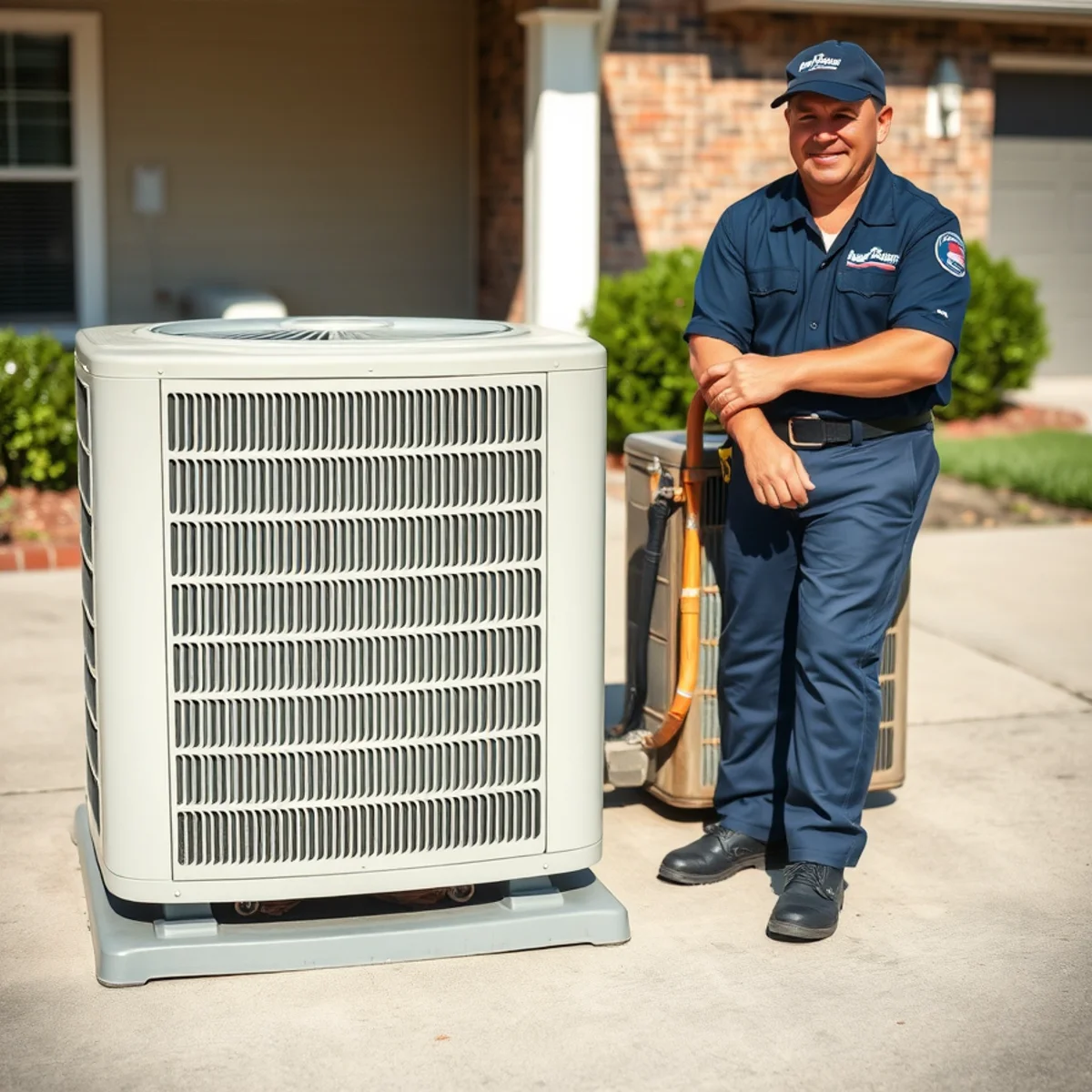
Comfort: warm air vs hot air
This is the difference homeowners notice first. Air from a furnace register feels hot to your hand. Air from a heat pump is warm, but noticeably cooler than furnace air, and the system runs longer cycles to make up for it. Some people love the steady, even heat. Others, especially folks who grew up with gas, say a heat pump never feels quite warm enough on a frosty morning.
Modern two-stage and variable-speed heat pumps close a lot of that gap. They run longer at lower speeds, which keeps temperatures even and avoids the blast-then-chill feel of an older single-speed system. If you have had a heat pump before and hated it, it may have been an old or poorly sized one.
Efficiency and operating cost
A heat pump moves heat rather than making it, so in mild weather it delivers more heat energy than the electricity it uses. That is why it is so well suited to our climate, where many winter days are cool rather than truly cold. As outdoor temperatures drop toward freezing, its output and efficiency fall, and on the coldest nights the electric backup strips cost more to run.
A gas furnace's efficiency is rated in AFUE, the share of the fuel that becomes heat in your home. Standard furnaces and high-efficiency condensing furnaces both put out full heat no matter how cold it gets.
Which one costs less to run depends on your own electric and gas rates, which change over time and vary by provider. Pull a winter power bill and a gas bill, and ask your installer to walk through the comparison with your numbers rather than a national average. Also check with your utility about any current rebate programs, because those come and go.
Side-by-side comparison
- Heating and cooling: a heat pump does both in one outdoor unit. A furnace only heats and needs a separate AC.
- Air temperature: furnace air feels hotter at the register. Heat pump air is milder, with longer, steadier run times.
- Cold-weather performance: a furnace keeps full output in any cold snap. A heat pump loses capacity as it gets colder and relies on backup heat strips.
- Fuel needed: a heat pump needs electricity only. A furnace needs natural gas or propane plus electricity for the blower and controls.
- Combustion and CO: a heat pump has none. A gas furnace burns fuel, so it needs a sound heat exchanger, proper venting and CO alarms in the home.
- Lifespan: a furnace only runs a few months a year and often outlasts a heat pump, which works year-round. Maintenance matters more than the label on either one.
- Upfront cost drivers: the size of the home, ductwork, equipment efficiency, and whether gas lines or venting need work. Get a written quote for both if you are undecided.
Dual fuel: the hybrid option
A dual-fuel system pairs a heat pump with a gas furnace. The heat pump handles cooling and most of the heating. When the temperature drops below a set switchover point, the furnace takes over. You get the heat pump's efficiency on mild days and the furnace's strong, hot heat when a real cold snap rolls through.
Dual fuel fits well if you already have a working gas furnace and your air conditioner is the part that is failing. Instead of buying a new AC, you can replace it with a heat pump and keep the furnace as backup. It needs a compatible thermostat or control set up correctly, which is part of a proper install.
Gas availability and safety
Natural gas lines run through many older neighborhoods in Phenix City and Columbus, but not every road in the rural parts of Russell, Lee, Harris and Chattahoochee Counties has a gas main. Out there, a furnace means propane and a tank, which changes the cost picture. If you do not have gas today, adding a line is a real project and part of the price.
Any appliance that burns fuel can create carbon monoxide if the heat exchanger cracks or the flue is blocked or disconnected. A well-installed, well-maintained furnace is safe, but it needs an annual inspection and working CO alarms. Our guide to gas furnace safety and carbon monoxide covers what to watch for. An all-electric heat pump takes combustion out of the equation entirely.
Who each system suits best
- A heat pump suits most all-electric homes, newer construction, homes without a gas line, and anyone replacing both heating and cooling at once.
- A gas furnace suits homes that already have gas service and ductwork set up for a furnace, people who want hot air from the vents, and homes where the AC is still in good shape.
- Dual fuel suits homeowners with existing gas who want heat pump efficiency most of the year, and anyone who wants a backup heat source that does not depend on electric strips.
Get a recommendation for your home
The best way to settle this is a look at your house: the ductwork, the electrical panel, the gas service if you have it, and a proper load calculation so the new system is sized right. We will lay out the options, explain the tradeoffs in plain English and give you upfront pricing on each before any work starts. Financing is available on larger projects.
Explore heat pump installation or gas furnace installation, see what goes into furnace replacement pricing, or call +1 (327) 210-5999 to set up a visit. Scott Copeland and the crew have been helping families across the Chattahoochee Valley stay comfortable since 1997.
Frequently Asked Questions
For most homes in the Phenix City area, yes. Our winters are mild, and a properly sized heat pump with backup heat strips handles the occasional hard freeze. If you want hotter air on the coldest mornings, a dual-fuel setup with a gas furnace is an option.
Related Guides
Need a hand from a local technician?
My Affordable Air has helped Phenix City families breathe better since 1997. Call for honest, licensed HVAC help.